



Project Leader: Elena G. Krupa
Implementation period: 2023 — 2024
IRN: BR 18574062
Relevance:
The program is aimed at addressing strategically important tasks related to the conservation and sustainable use of biological diversity, as well as the protection and management of transboundary watercourses.
The relevance of the planned research is обусловлена the deficit of water resources and the annually increasing anthropogenic pressure on them, the degradation of terrestrial and aquatic ecosystems, the transboundary status of the Irtysh River, and the acute issues of water resource allocation between neighboring states under ongoing climate change.
Amid the ongoing transformation of natural ecosystems, the flora and fauna of the Irtysh River basin remain insufficiently studied, as most research was conducted in the previous century.
The effectiveness of water resource management, biodiversity conservation, and its sustainable use depends on obtaining objective information about the current ecological condition of the Irtysh basin, the state of flora and fauna, existing and potential threats, the identification of major pollution sources, and trends in the transformation of natural ecosystems.
To achieve the objectives and goals of the program, comprehensive studies of the Irtysh basin are planned in two model areas (the Black Irtysh and the Pavlodar Irtysh region), covering such fields as hydrology, hydrochemistry, toxicology, botany, geobotany, hydrobiology, and zoology, including all major groups of free-living and parasitic animals.
The main methodological approach in the planned research is the basin principle, implemented in Kazakhstan for the first time. Within this approach, the cumulative part of the basin (the river and its tributaries) is considered inseparably connected with the surrounding terrestrial territory. Since all pollutants carried by surface runoff and tributary waters enter the main channel, the ecological state of the river integrally reflects the degree of anthropogenic disturbance and the level of pollution of the entire catchment area. Studies of terrestrial ecosystems, including flora and fauna, will allow assessment of the contribution of catchment areas to the overall transformation of the river basin.
Program Objective:
To assess the current condition of terrestrial and aquatic ecosystems in the Kazakhstani part of the Irtysh River basin and to develop an action plan for the conservation and sustainable use of biodiversity, as well as for minimizing damage to riverine and terrestrial ecosystems under conditions of climate change, transboundary water use, and industrial development of the region.
Program Objectives:
- To analyze the hydrological regime of the Irtysh River basin under conditions of climate change, transboundary use, and projected reduction of river runoff;
- To characterize landforms and soil cover for the classification of terrestrial ecosystems within the Irtysh basin;
- To describe plant communities, identifying indicator, rare, and endangered plant species, as well as microalgae, for ecosystem characterization;
- To determine concentrations of pollutants in various components of the river ecosystem within the selected model areas of the Irtysh basin;
- To assess the diversity and spatial distribution of fauna (rotifers, arachnids, crustaceans, insects, mollusks, fish, amphibians, reptiles, birds, and mammals), including populations of game species, economically valuable species, rare and Red Book aquatic and terrestrial animal species;
- To study parasites of wild animals as potential agents of parasitic diseases in humans and domestic animals, taking into account the possibility of transboundary transmission of zoonotic infections;
- To conduct a comprehensive assessment of the degree of anthropogenic transformation of ecosystems based on chemical analysis data and indicator biological parameters;
- To carry out ecological mapping of abiotic and biological data and assess the distribution of environmental pressures within the Irtysh basin, identifying its main sources of pollution;
- To identify the principal threats to ecosystems and biodiversity and to forecast changes under varying levels of water availability in the Irtysh River basin;
- To develop an action plan to minimize damage to riverine and terrestrial ecosystems resulting from anthropogenic impacts and transboundary use of water resources in the Irtysh basin under conditions of climate change.
Project Area
Research was conducted in the East Kazakhstan and Pavlodar regions at two model sites within the Irtysh River basin:
Model site 1 – Black Irtysh (from the border with the PRC to its inflow into Lake Zaysan);
Model site 2 – Pavlodar Irtysh region (from the western part of Abai Region to the border with Russia).
The selection of the model sites was determined by the considerable length of the Irtysh within Kazakhstan (1,835 km), the need for a unified strategy in sampling by specialists from various scientific fields, as well as the broad scope and specificity of the tasks to be addressed within the limited timeframe of the study (2023–2024).
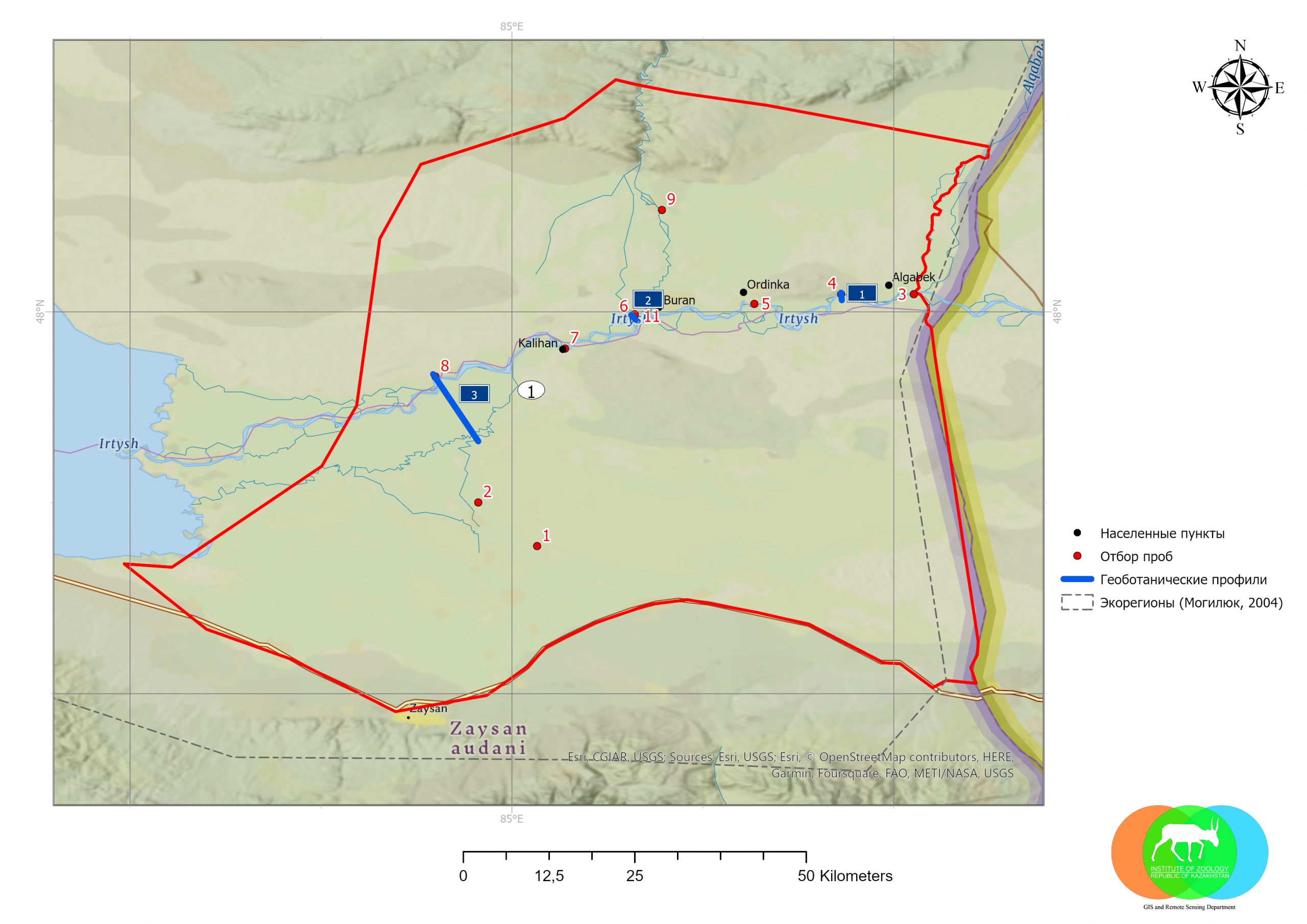
Model site 1 – “Black Irtysh” 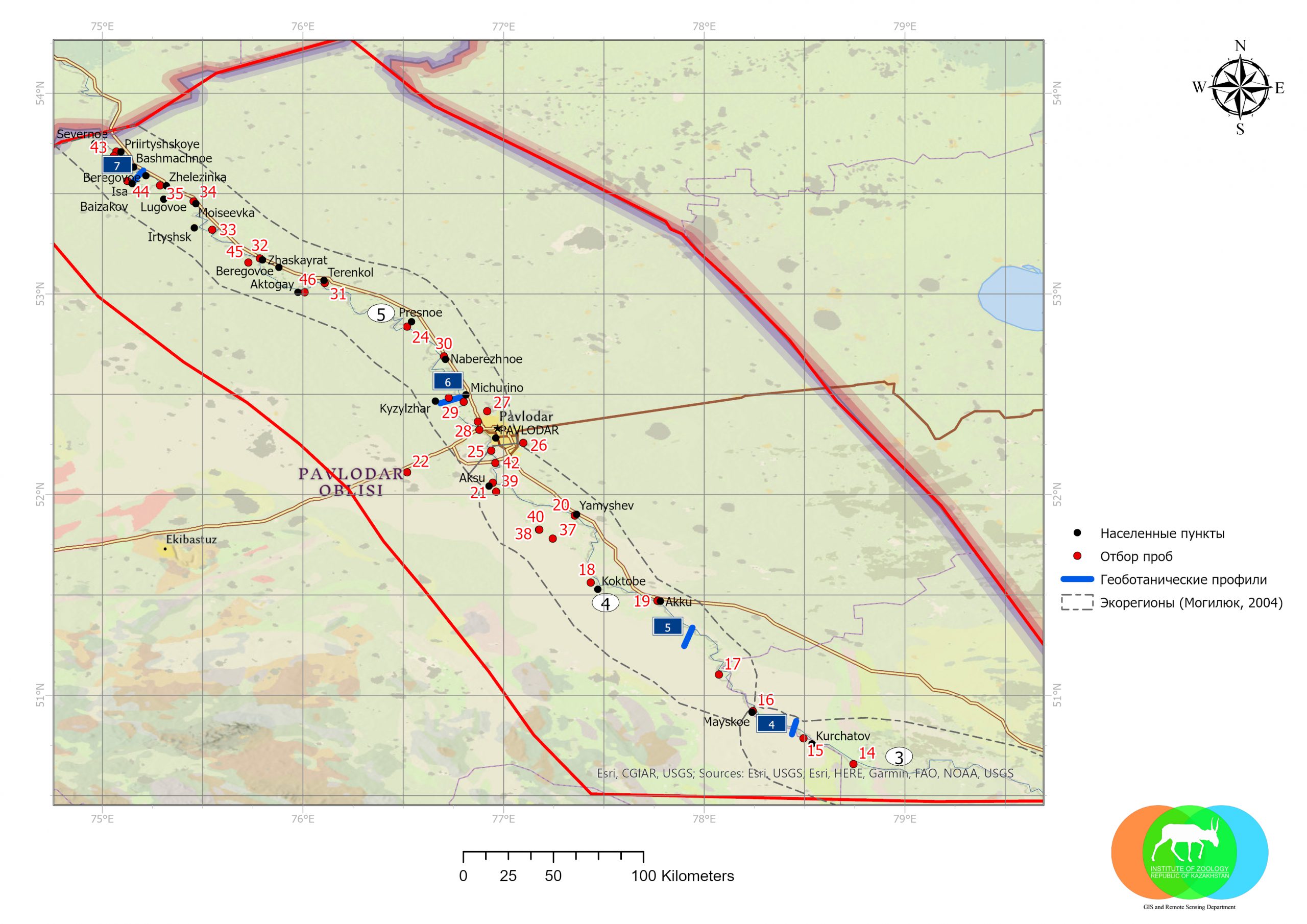
Model site 2 – “Pavlodar Irtysh Region”
Program participants:
Scientific supervisor of the program:
Elena Grigoryevna Krupa
Doctor of Biological Sciences, Head of the Laboratory of Hydrobiology and Ecotoxicology
https://orcid.org/0000-0001-9401-0258
h-index 8
Responsible executor of the program:
Larisa Mikhailovna Shakhvorostova
Researcher at the Laboratory of Hydrobiology and Ecotoxicology
https://orcid.org/0009-0003-7106-5741
h-index 1
More than 60 specialists from several scientific organizations participate in the project: RSE “Institute of Zoology” of the Committee of Science of the Ministry of Science and Higher Education of the Republic of Kazakhstan; RSE “Altai Botanical Garden” of the Committee of Science of the Ministry of Education and Science of the Republic of Kazakhstan; NPJSC “Toraighyrov University”; JSC “Institute of Geography and Water Security”; LLP “U.U. Uspanov Kazakh Research Institute of Soil Science and Agrochemistry”; LLP “Kazakhstan Agency of Applied Ecology”; Institute of Evolution, University of Haifa (Israel).
Responsible executors for the program sections:
Rustem Khasenovich Kadyrbekov
Doctor of Biological Sciences, Chief Researcher at the Laboratory of Entomology
https://orcid.org/0000-0003-0550-3697
h-index 3
Tatyana Nikolaevna Duysebaeva
Candidate of Biological Sciences, Professor, Leading Researcher at the Laboratory of Ornithology and Herpetology
https://orcid.org/0000-0002-0127-3604
h-index 9
Ivan Olegovich Nekhaev
Candidate of Biological Sciences, Senior Researcher at the Laboratory of Arachnology and Other Invertebrates
https://orcid.org/0000-0002-9464-715X
h-index 9
Dmitry Viktorovich Malakhov
Head of the GIS and Remote Sensing Department
https://orcid.org/0000-0002-7844-6569
h-index 7
Anna Alexandrovna Nekhaeva
Candidate of Biological Sciences, Senior Researcher at the Laboratory of Arachnology and Other Invertebrates
https://orcid.org/0000-0002-4972-2122
h-index 4
Nurgul Madalyevna Dzhusupbekova
Candidate of Veterinary Sciences, Acting Head of the Laboratory of Parasitology
https://orcid.org/0000-0001-6948-7812
h-index 2
Alexander Sergeevich Linnik
Researcher at the Scientific Center of Biocenology and Game Management
https://orcid.org/0000-0003-4472-2307
h-index 0
Bekzhan Isenbayuly Barbol – Researcher at the Laboratory of Parasitology
https://orcid.org/0000-0002-4924-5020
h-index 3
Ivan Gennadyevich Frolov
Researcher at the Laboratory of Ornithology and Herpetology
https://orcid.org/0000-0002-7907-9166
h-index 1
Sanzhar Sakenovich Kantarbaev
Junior Researcher at the Scientific Center of Biocenology and Game Management
https://orcid.org/0000-0003-4384-250X
h-index 0
Sofia Stepanovna Barinova
Candidate of Biological Sciences, Associate Professor, Head of the Laboratory of Ecology and Biodiversity of Algae, Institute of Evolution (University of Haifa, Israel)
https://orcid.org/0000-0001-9915-2503
h-index 17 (algologist)
Alexander Vladimirovich Cherednichenko
Doctor of Geographical Sciences, Professor in the specialty “Geoecology” (climatologist)
Konstantin Mikhailovich Pachikin
Candidate of Biological Sciences (soil scientist)
Aisulu Alashevna Tursunova
Candidate of Geographical Sciences, Head of the Laboratory of Water Resources (hydrologist)
Olga Vladimirovna Radusnova
Master of Geography (geomorphologist)
Dina Alexandrovna Smirnova
Head of the Hydrobiological Laboratory of KAPE (hydrobiologist)
Co-executors of the program:
1. NPJSC “Toraighyrov University” (Pavlodar) (2023–2024)
Responsible executor:
Viktor Alexandrovich Kamkin
Candidate of Biological Sciences, Associate Professor
https://orcid.org/0000-0002-2618-2194
h-index 4
2. RSE “Altai Botanical Garden” of the Committee of Science of the Ministry of Education and Science of the Republic of Kazakhstan (Ridder) (2023)
Responsible executor:
Aidar Aitkazyevich Sumbembayev
PhD in Geobotany, General Director of the Altai Botanical Garden
https://orcid.org/0000-0003-0682-9162
h-index 5
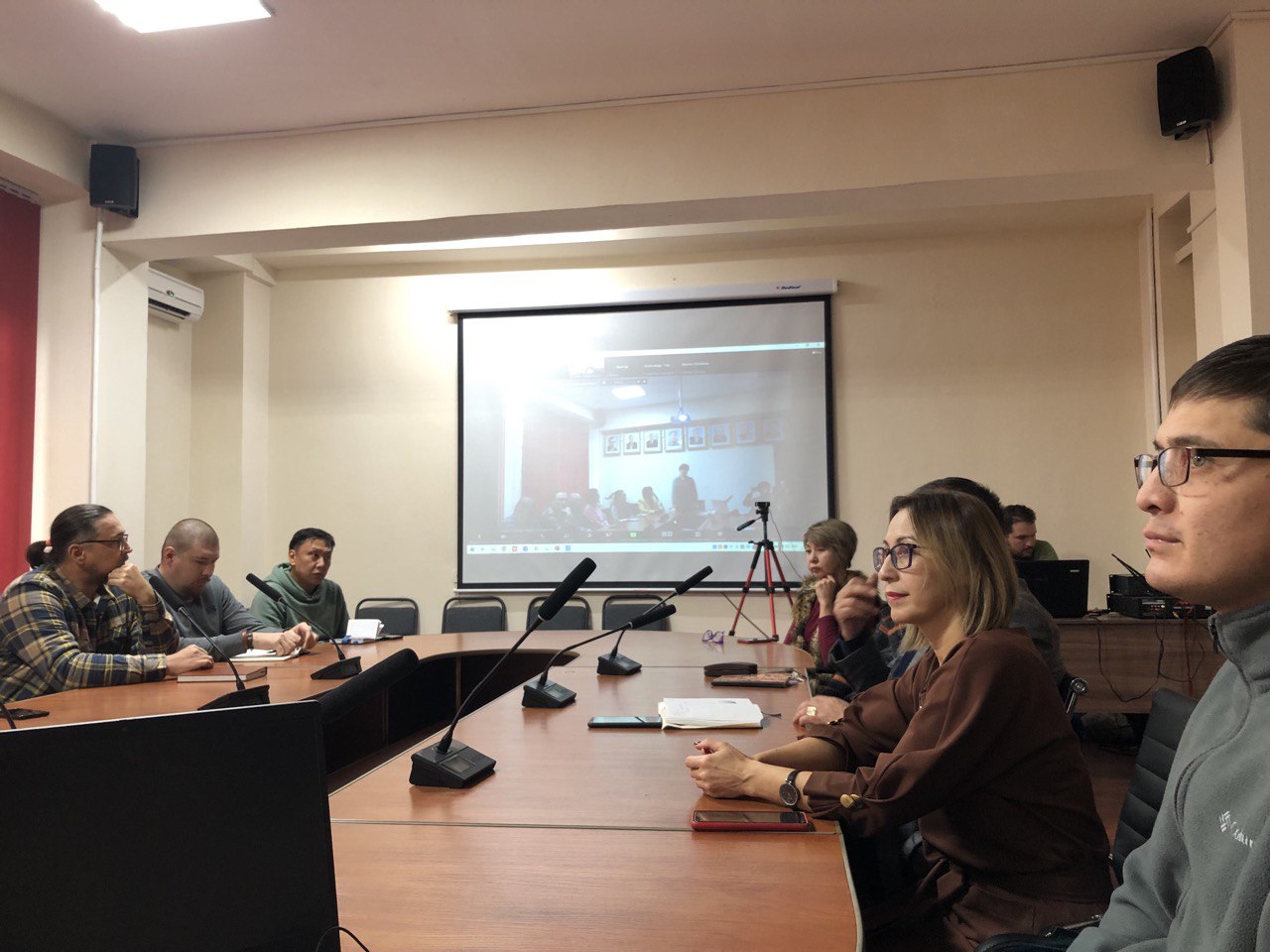
Discussion of working issues within the program 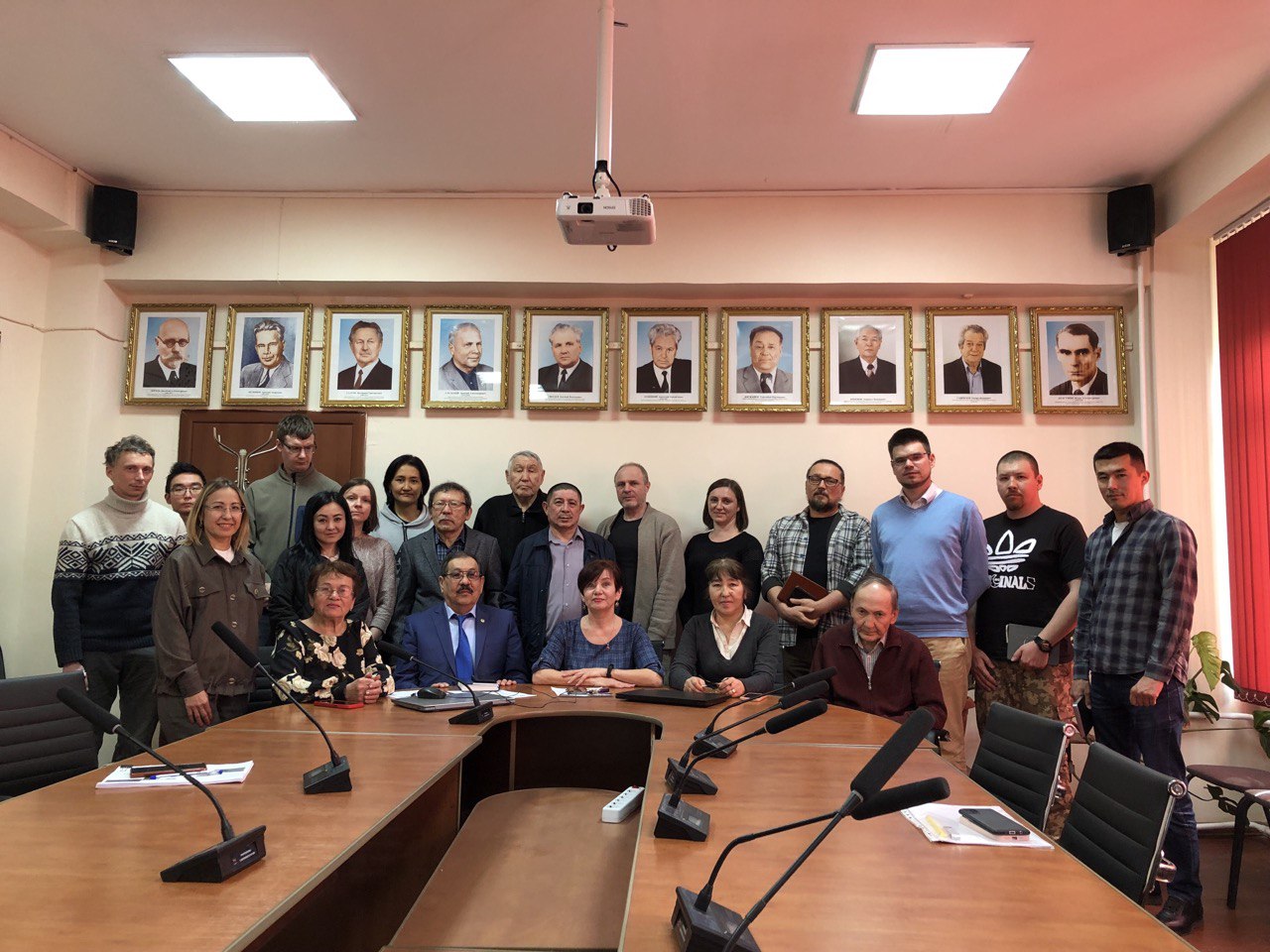
Project participants
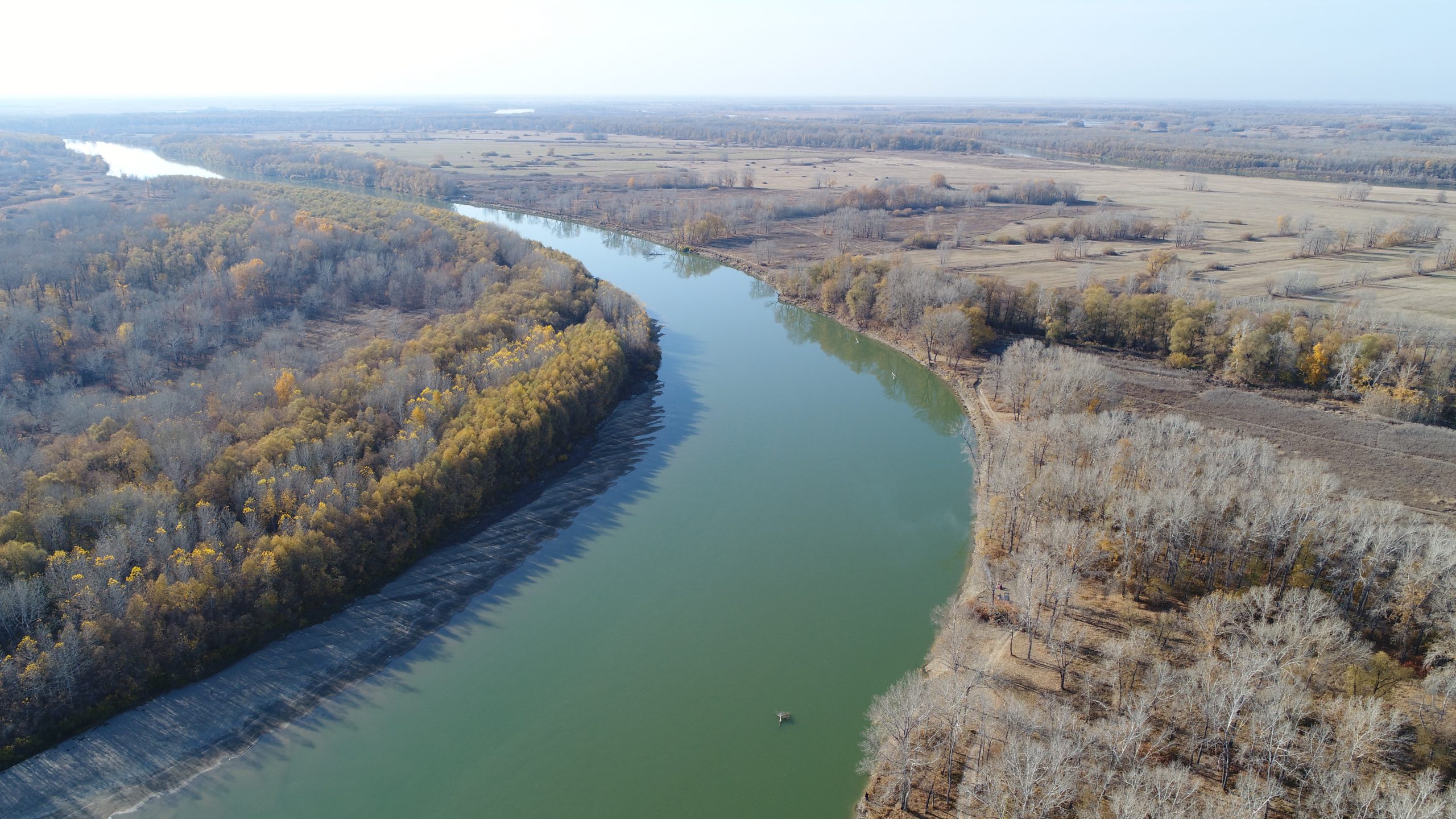
Irtysh River (Pavlodar Region, near the village of Pavlodarskoye)
RESULTS OF THE STUDY
Based on the results of studies of the Irtysh River basin (two model sites) conducted in 2023–2024, the following results were obtained:
A general hydrological characterization of the Kazakhstan part of the Irtysh River basin was provided, including the water level regime based on data from operating hydrological stations. A retrospective analysis of water discharge data from 1975 to 2019 was prepared; information on Irtysh floods and their role in maintaining floodplain ecosystems was presented; the influence of natural and climatic factors on the hydrological regime of the river within the runoff-forming part of the catchment was assessed; the impact of anthropogenic factors on changes in river flow was evaluated; long-term changes in the hydrological regime were analyzed; major trends were described; and a forecast of further changes in the Irtysh River flow up to 2050 was provided.
It was shown that the ecological state of the Irtysh basin, as well as the complex of existing and projected social problems, are determined by cyclical fluctuations in river flow, the volume of transboundary inflow from the territory of the PRC, water withdrawal within Kazakhstan, as well as the nature, intensity, and duration of anthropogenic impact on natural ecosystems. The influence of anthropogenic factors increases against the background of ongoing climate warming. In the coming decades, an increase in air temperature by 0.5–0.7°C is expected in all seasons in the Irtysh basin, along with a general increase in moisture. The current level of anthropogenic pressure will lead to a reduction in transboundary inflow of water into the Irtysh River from the territory of the PRC. The maximum intensity of reduction in river flow in Kazakhstan (up to catastrophic levels) due to irreversible water consumption is expected in low-water years.
A general geomorphological characterization was provided, including descriptions of morphogenetic and morphological types of relief; characteristics of modern relief-forming processes were presented for two model sites — the “Black Irtysh” and the “Pavlodar Irtysh region”. For each model site, geomorphological, modern relief-forming processes, and landscape maps were compiled.
A review of the soil cover structure of the Irtysh River basin project area was prepared. Characteristics of morphological and physicochemical properties of soils were provided; patterns of soil formation in the studied area were analyzed; and soil maps for two model sites of the Irtysh basin were compiled.
The species richness of flora was identified as 454 species of higher vascular plants and 197 species of planktonic algae. A review of the degree of floristic and geobotanical knowledge of the Irtysh River basin was prepared; the indicator role of key species of higher plants in describing the ecological state of terrestrial ecosystems was assessed. Based on field studies, characteristics of plant communities were provided, with identification of background, indicator, rare, and endangered plant species for ecosystem description (annotated lists of indicator, rare, and endangered plant species of the project area; geobotanical description of floodplain profiles with determination of species composition, abundance, phenophase, height, and vitality of plant species; assessment of the condition and degree of disturbance, and productivity of aboveground biomass of grass stands at two model sites).
The diversity and spatial distribution of fauna were studied, revealing the following composition: arachnids – 106 species, ixodid ticks – 8, planktonic invertebrates – 133, mollusks – 23, supralittoral insects – 225, amphibians – 7, reptiles – 15, fish – 18, birds – 141, mammals – 26. A list of background, rare, Red Book, economically valuable, alien, and dangerous species was compiled.
For the Irtysh basin, the following were recorded for the first time: 6 species of arachnids, 14 caddisflies, 3 mollusks, 27 birds, 3 mammals, and 4 species of parasitic invertebrates. The parasite fauna of terrestrial mammals included 111 species of protozoans and invertebrates. A total of 26 parasite species were recorded in fish.
A total of 37 plant species, 2 insect species, 1 amphibian species, 3 reptile species, 1 fish species, 8 bird species, and 2 mammal species require protection.
Economic importance was identified for 395 plant species, 8 fish species, 20 bird species, and 29 mammal species.
The alien flora is represented by 28 species of higher vascular plants. The fauna includes 20 alien species, including 11 fish species, 2 amphibian species, 1 bird species, and 7 mammal species.
Higher species richness of flora and nearly all taxonomic groups of fauna in the Pavlodar Irtysh region compared to the Black Irtysh floodplain is обусловлено differences in natural and climatic factors.
A comprehensive assessment of the level of anthropogenic transformation of aquatic and terrestrial ecosystems of the Irtysh basin was conducted based on chemical analysis data and indicator biological parameters. It was established that the main contributors to the overall level of pollution in aquatic ecosystems were nitrite nitrogen, iron, and manganese. Water quality deteriorated from the upper (Black Irtysh) to the lower sections of the basin (Pavlodar Irtysh region). The content of heavy metals in water was generally low. Mercury was not detected in any samples of water, plants, or alluvial soils (including samples collected directly in the Byklkydak storage facility), but was found in all samples of mink and otter excrement. Calculations of accumulation coefficients showed that the leading role in the purification of aquatic ecosystems from heavy metals belonged to alluvial sediments and plants. Otters and minks, located at the top of the trophic pyramid, accumulated Pb, Zn, Hg, Cu, and Co more intensively relative to plants, уступая in this only to alluvial soils.
It was shown that under weak anthropogenic impact on the vegetation of the Irtysh floodplain, the most sensitive species disappeared from the grass cover. Under very strong and catastrophic transformation of terrestrial ecosystems, a convergent convergence of floristic composition occurred due to the loss of all original botanical species and the persistence of the most resistant explerents, represented in the Irtysh floodplain by Xanthium strumarium (common cocklebur).
Communities of arachnids, insects, amphibians, birds, and semi-aquatic mammals experienced weak to moderate anthropogenic stress. Local medium-intensity impacts on populations of the marsh frog were recorded near the village of Bashmachnoye; for birds — in the Black Irtysh floodplain area downstream of the village of Buran. For the first time, an assessment of the ecological state of aquatic ecosystems of the Irtysh basin was carried out using indicator biological parameters. It was shown that the average disturbance index of the Black Irtysh floodplain was significantly lower (1.15±0.1) than that of the Pavlodar Irtysh region (1.84±0.17). Indicator parameters of plankton communities indicated a significant increase in organic pollution of the Irtysh River from upper to lower sections of the basin. An integrated assessment of water quality of the Irtysh River and floodplain lakes of the Pavlodar Irtysh region is presented in maps.
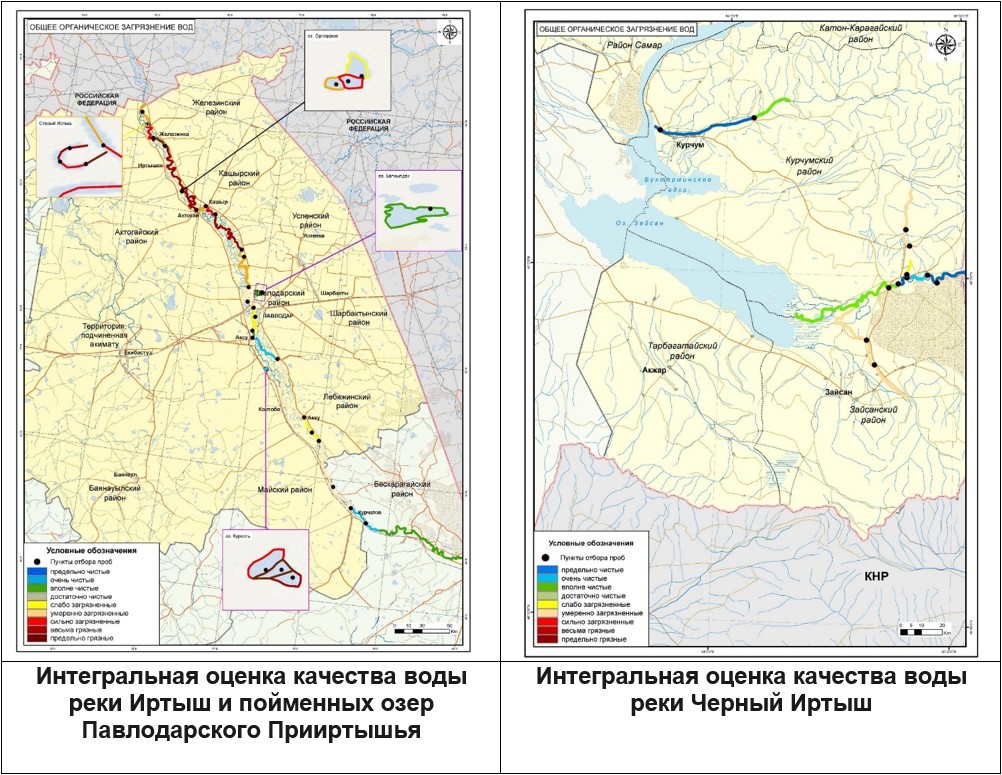
Assessment of aquatic ecosystems based on phytoplankton and zooplankton indicated a low level of toxic pollution and an elevated level of organic pollution in the Irtysh River. The intensity of anthropogenic pollution of the Irtysh River increased many times downstream, reaching a maximum in the lower part of the Pavlodar Irtysh region.
To assess the distribution of environmental loads and identify the main sources of pollution in the Irtysh River basin, mapping of ranked abiotic and indicator biological parameters was carried out. The results obtained allow us to conclude that the contribution of transboundary transfer of organic pollution from the Chinese part of the Irtysh basin is significantly lower than the anthropogenic pressure on the river ecosystem within Kazakhstan. The transboundary transfer of heavy metals from the territory of the PRC also did not play a significant role in the pollution of the Kazakhstani part of the Irtysh. Based on the comprehensive results obtained, a list of settlements contributing most significantly to the deterioration of water quality in the Kazakhstani part of the Irtysh basin was compiled.
The main threats were identified and a forecast of changes in natural ecosystems and biological diversity of the Irtysh River basin under different water availability conditions was provided. Three interrelated groups of factors influencing aquatic and terrestrial ecosystems and their biological components were identified: climate warming; cyclical changes in moisture conditions – alternation of low-water and high-water years, and corresponding changes in the hydrological regime of aquatic ecosystems and moisture conditions of terrestrial areas; anthropogenic factors (flow regulation, disruption of floodplain inundation regimes, wastewater discharge, livestock grazing, plowing of near-floodplain areas, fires, recreational pressure, accidental and planned acclimatization of alien species, removal of species from the wild).
Based on the analysis of existing and projected risks, an Action Plan was proposed to minimize damage to riverine and terrestrial ecosystems resulting from anthropogenic impact and transboundary use of water resources in the Irtysh basin under climate change conditions. It is emphasized that humanity cannot counteract global climate change; our capacity lies in mitigating the negative consequences of ongoing aridization processes. The main efforts should be aimed at reducing anthropogenic pressure on natural ecosystems and preserving biodiversity.
The obtained results are characterized by a high degree of novelty. Information on the biological diversity of the region has been уточнены and supplemented, a new species of Lepidoptera has been described, and several zoogeographical records have been made. For the first time, a comprehensive characterization of the level of organic and toxic pollution of terrestrial and aquatic ecosystems was provided based on chemical analysis data and indicator biological parameters; the distribution of environmental loads was demonstrated; key threats were identified; and an Action Plan was developed to minimize damage to aquatic and terrestrial ecosystems.
Materials on environmental education were transferred to the secondary school of the village of Semiyarka (Pavlodar Region).
Based on the results of the work carried out, the following were published – an Atlas of Environmental Loads and a textbook:
– Krupa E.G., Malakhov D.V., Shakhvorostova L.M. Atlas of Environmental Loads in the Kazakhstani part of the Irtysh River basin. – 2024. – Almaty: “Alash Book”. – 72 p. ISBN 978-601-383-030-8
– Parasitic zoonoses // Berkinbay O., Omarov B.B., Dzhusupbekova N.M. – Textbook. – 2024. – Almaty: “Alash Book”. – 364 p. ISBN 978-601-241-111-9
2 utility model patents were obtained:
- 9286 Republic of Kazakhstan, (19) KZ (13) U (11) A61P 33/10. Composition for deworming of small ruminants (Composition for deworming of small ruminants / Dzhusupbekova N.M., Berkinbay O., Omarov B.B., Barbol B.I.; applicant and patent holder RSE on REM Institute of Zoology. – No. 2024/0525.2; appl. 15.04.24; publ. 12.07.24, Kazpatent Bulletin No. 28. – 4 p. https://ebulletin.kazpatent.kz/#/bulletin?timestamp=2024-07-12&bull_num=28&data_source=bulletin&language=ru
- Pat. 9459 Republic of Kazakhstan. Method of investigation of feces of roe deer / Berkinbay O., Suleimenov M.Zh., Omarov B.B., Baimukhanbetov E.B.; applicant and patent holder RSE on REM Institute of Zoology. – No. 2024/0422.2; appl. 15.04.24; publ. 06.09.24, Kazpatent Bulletin No. 36. – 4 p. https://ebulletin.kazpatent.kz/#/bulletin?timestamp=2024-09- 06&bull_num=36&data_source=bulletin&language=ru
The results of studies of the Irtysh River basin in 2023–2024 were summarized in 35 scientific publications: including 13 papers in journals indexed in Scopus and Web of Science (of which Q1 – 4, Q2 – 7, Q3 – 1, Q4 – 1); 11 articles in journals of the Committee for Quality Assurance in Science and Higher Education (CQASHE) (with 1 additional article accepted for publication); 4 papers in non-peer-reviewed journals; 6 conference proceedings; and 1 publication without reference to the program.
LIST OF PUBLICATIONS FOR THE PROJECT
Articles in ranked journals indexed in WoS and Scopus:
- Babushkin E., Nekhaev I.O., Vinarski M.V., Yany L.V. Aliens and Returnees: Review of Neobiotic Species of Freshwater Mollusks in Siberia from the Kazakhstan Steppe to the Arctic Tundra // Diversity. – 2023. – 15. – P. 465. Q2, percentile 71% https://doi.org/10.3390/d15030465
- Barinova S., Krupa E., Khitrova Y. Phytoplankton diversity and bioindication of the lakes in the Burabay National Natural Park, Northern Kazakhstan // Ecologies. – 2023. – 4 (2). – P. 242–268. Q1, percentile 39% https://doi.org/10.3390/ecologies4020017
- Titov S.V., Volynkin A.V., Saldaitis A. New data on the distribution of three species of the genus Catocala Schrank in East Kazakhstan and West Mongolia (Lepidoptera: Erebidae) // Ecologica Montenegrina. – 2024. – 71. – P. 245–252. Q2, percentile 50% https://doi.org/10.37828/em.2024.71.26
- Volynkin A.V., Titov S.V., Gorbunov P.Y. On the distribution of Mythimna phlebitis (Püngeler) in Kazakhstan (Lepidoptera: Noctuidae: Noctuinae: Leucanini) // Ecologica Montenegrina. – 2024. – 71. – P. 253–260. Q2, percentile 50% https://doi.org/10.37828/em.2024.71.27
- Bizhanova N., Nanova O., Fadakar D., Grachev A., Hong Z., Mohd Sah Sh.A., Bizhanova Z., Sablin M., Grachev Yu. Insights into subspecies classification and conservation priorities of Central Asian lynx populations revealed by morphometric and genetic analyses // Scientific Reports. – 2024. – 14. – P. 5186. Q1, percentile 92% https://doi.org/10.1038/s41598-024-55807-x
- Krupa E., Romanova S., Serikova A., Shakhvorostova L. A comprehensive assessment of the ecological state of the transboundary Irtysh river (Kazakhstan, Central Asia) // Water. – 2024. – 16 (7). – P. 973. Q2, percentile 84% https://doi.org/10.3390/w16070973
- Duysebaeva T.N., Arifulova I.I. The development of Rana arvalis (Amphibia, Ranidae), with attention to the skin texture and timing of metamorphosis events // Russian Journal of Herpetology. – 2024. – Vol. 31 (2). – P. 95–104. Q3, percentile 42% https://doi.org/10.30906/1026-2296-2024-31-2-95-104
- Titov S.V., Volynkin A.V., Morozov P.S. Revised checklist of the superfamily Noctuoidea (Lepidoptera) of Northeast Kazakhstan (Pavlodar Region) // Ecologica Montenegrina. – 2024. – 73. – P. 288–376. Q2, percentile 50% https://doi.org/10.37828/em.2024.73.22
- Krupа E., Shakhvorostova L. Checklist and distribution of Cyclopoida (Crustacea: Copepoda) in zoogeographical regions of Kazakhstan (Central Asia) // The Egyptian Journal of Aquatic Research. – 2024. – Vol. 50(2). – P. 200–207. Q1, percentile 89% https://doi.org/10.1016/j.ejar.2024.06.002
- Volynkin A.V., Titov S.V., Saldaitis A. Euxoa criceta, a new species from East Kazakhstan (Lepidoptera: Noctuidae: Noctuinae) // Ecologica Montenegrina. – 2024. – 77. – P. 69–76. Q2, percentile 50% https://doi.org/10.37828/em.2024.77.6
- Titov S.V., Volynkin A.V., Gabdullina A.U., Bolbotov G.A., Rakhimov R.D. Two new records of Erebidae and Noctuidae (Lepidoptera: Noctuoidea) from the eastern Zaisan Depression (East Kazakhstan) // Ecologica Montenegrina. – 2024. – 77. – P. 161–168. Q2, percentile 50%. https://doi.org/10.37828/em.2024.77.16
- Kadyrbekov R.Kh., Kanatova M. A new species of the genus Aphiduromyzus Umarov et Ibraimova, 1967 (Hemiptera: Aphidomorpha: Aphididae) from Kazakhstan // Far Eastern Entomologist. – 2024. – N 507. – P. 10–14. Q4, percentile 25% https://doi.org/10.25221/fee.507.2
- Sokoloff D.D., Degtjareva G.V., Valiejo-Roman C.M., Severova E.E., Barinova S., Chepinoga V.V., Kuzmin I.V., Sennikov A.N., Shmakov A.I., Skaptsov M.V. et al. Kazakhstan has an unexpected diversity of medicinal plants of the genus Acorus (Acoraceae) and could be a cradle of the Triploid species A. Calamus // Plants. – 2024. – 13 (14). – P. 1978. Q1, percentile 86% https://doi.org/10.3390/plants13141978
Articles in journals indexed in the CQASHE database:
- Frolov I.G., Berdikulov B.T. Recent avifaunistic analysis in the floodplains of the Kara Yertis (Black Irtysh) and Yertis river in the Pavlodar region // Experimental Biology. – 2024. – No. 1 (98). – P. 112–126. CQASHE https://doi.org/10.26577/eb.2024.v98.i1.010
- Romanova S.M., Krupa E.G., Serikova A.S., Alekseev S.N. Modern hydrochemical characteristics of water bodies in the Kazakhstan part of the Irtysh River basin // Hydrometeorology and Ecology. – 2024. – No. 1. – P. 121–132. CQASHE https://doi.org/10.54668/2789-6323-2024-112-1-121-132
- Linnik A.S., Konysbaev T.G., Krupa E.G., Romanova S.M. Current state of aquatic fauna and ecological-toxicological characteristics of floodplain lakes of the Pavlodar Irtysh region // Science and Education. – 2024. – No. 2-2 (75). – P. 276–287. CQASHE https://doi.org/10.52578/2305-9397-2024-2-2-276-287
- Romanova S.M., Krupa E.G., Serikova A.S. Nitrogen and phosphorus compounds in water bodies of the Kazakhstan part of the Irtysh River basin // Bulletin of KazNU. Ecological Series. – 2024. – No. 2 (79). – P. 21–31. CQASHE https://doi.org/10.26577/EJE.2024.v79.i2-02
- Argynbayeva Ye.M., Barinova S.S., Ormanova G.Zh. Characteristics of the modern taxonomic composition of the phytoplankton in the Kazakhstan part of the Irtysh River // Experimental Biology. – 2024. – No. 2 (99). – P. 102–114. CQASHE https://doi.org/10.26577/eb.2024.v99.i2.09
- Romanova S.M., Krupa E.G., Serikova A.S. Distribution of silicon, iron, and oxidizability in water bodies of the Pavlodar Irtysh region // Hydrometeorology and Ecology. – 2024. – No. 2. – P. 42–56. CQASHE https://doi.org/10.54668/2789-6323-2024-113-2-42-56
- Kadyrbekov R.Kh. Adenophoraphis, a new aphid genus from Kazakhstan (Hemiptera: Aphididae: Macrosiphini) // Bulletin of the Karaganda University. Series Biology. Medicine. Geography. – 2024. – Vol. 29. – 3 (115). – P. 45–50. CQASHE https://doi.org/10.31489/2024bmg3/45-50
- Romanova S.M., Krupa E.G., Serikova A.S. State of carbonate-calcium equilibrium in the Kazakhstan part of the Irtysh River basin // Hydrometeorology and Ecology. – 2024. – No. 3. – P. 71–86. CQASHE https://doi.org/10.54668/2789-6323-2024-114-3-71-86
- Kamkin V.A. Anthropogenic transformation of vegetation cover in the Irtysh River floodplain // Bulletin of L.N. Gumilyov ENU. Biological Series. – 2024. – No. 3 (148). – P. 28–43. CQASHE https://doi.org//10.32523/2616-7034-2024-148-3-28-43
- Oleynikov A.Yu., Bizhanova N.A., Kantarbaev S.S., Alikhanova A.A. Theriofauna of the Kazakhstan part of the Irtysh River basin // Bulletin of KazNU. Ecological Series. – 2024. – No. 3 (80). – P. 77–91. CQASHE https://doi.org/10.26577/EJE.2024.v80.i3-08
- Sayakova Z.Z., Asylbek A.M., Yeszhanov A.B. Ixodid ticks (Acari, Ixodidae) of the Irtysh River floodplain // Bulletin of L.N. Gumilyov ENU. Biological Sciences Series. – 2024. – No. 4 (149). – P. 75–92. CQASHE https://doi.org/10.32523/2616-7034-2024-149-4-75-92
- Oleynikov A., Bizhanova N. Semi-aquatic mammals of the Irtysh River floodplain as bioindicator species and their ecosystem services // Experimental Biology. – 2024. – No. 4 (101). – 20 p. CQASHE (in press)
Articles in non-peer-reviewed journals:
- Sumbembayev A.A., Danilova A.N. Taxonomic structure of the flora of the Black Irtysh River valley // Kazakhstan Journal of Botany. – 2023. – 2 (3). – P. 50–55. https://drive.google.com/file/d/1JMjFBIHsfaimtLJXyf3fQ-24JC8XI9hy/view
- Oleynikov A.Yu., Monakhov V.G. On the distribution of the pine marten Martes martes in the Upper Ob region and the Irtysh region // Bulletin of Hunting Studies. – 2023. – 4 (20). – P. 200–205. https://www.researchgate.net/publication/376450496
- Chalikova E.S., Berdikulov B.T., Frolov I.G. On the avifauna of the Black Irtysh // Russian Ornithological Journal. – 2024. – Vol. 33, Express issue 2434. – P. 2943–2955. https://cyberleninka.ru/article/n/k-avifaune-chyornogo-irtysha.
- Oleynikov A.Yu. Otter distribution and status in Kazakhstan // OTTER, Journal of the International Otter Survival Fund. – 2024. – Vol. 10. – P. 121–127. https://www.researchgate.net/profile/Grace-Yoxon/publication/383444466
Publication based on project materials, but without reference to the project and funding source:
- Berkinbay O., Suleimenov M.Zh., Omarov B.B., Baimukhanbetov Y.B., Mukataev A.S. Ecological aspects of the spread of trematodes among wild domestic animals in the floodplains of the Irtysh river // National academy of scientific and innovative research «Science and Education: Modern time». – 2024. – Vol. 6(6). – P. 132–135. https://doi.org/10.5281/zenodo.11202759 https://nacsir.kz/index.php/NACSIR/issue/view/7/14
Conference proceedings:
- Sumbembayev A.A., Danilova A.N. Study of the flora of the Black Irtysh River valley // Proceedings of the international scientific and practical conference “Current state and prospects for the development of botanical gardens and arboreta of Kazakhstan”. – Astana, 2023. – P. 85–88.
- Sumbembayev A.A., Danilova A.N. Current state of Allium altaicum Pall. in Kazakhstan Altai // Proceedings of the international scientific and practical conference “Problems of desertification of the territory of the Republic of Kazakhstan and ways to solve them”. – Almaty, 2023. – P. 280–284. https://drive.google.com/file/d/1cvADjOqAUT9IqgZqD0canLX-C6_eKPkP/view
- Romanova S.M., Krupa E.G., Serikova A.S. Comprehensive assessment of the quality of the Irtysh River // Proceedings of the international scientific conference “Science: theory and practice – 2024”. Materials collection, March 28–29, 2024. – Turkestan: “Bilim Innovations Group” Research Center, 2024. – P. 114–123. https://kazconf.com/files/archive/3938419.pdf
- Bizhanova N.A., Oleynikov A.Yu., Kantarbaev S.S. Ecosystem services using the example of the theriofauna of the Irtysh River valley // Proceedings of the All-Russian scientific conference with international participation and school for young scientists “Fundamental and applied aspects of adaptation of living organisms to changing environmental conditions of the North: research, innovation, prospects”. Petrozavodsk, September 9–13. – Scientific electronic publication of KarRC RAS. – Petrozavodsk, Karelia, Russia, 2024. – P. 12.
- Argynbayeva Ye.M., Ormanova G.Zh. Modern taxonomic composition of phytoplankton of the Byklkydak storage reservoir in the Pavlodar region // Spiraeanthus. – 2024. – 1. – P. 134–137 https://doi.org/10.71130/spir-2024-1-134-137
- Dzhusupbekova N.M., Berkinbay O., Suleimenov M.Zh., Omarov B.B. Epidemiological and epizootological aspects of ascariasis // Proceedings of the international scientific and practical conference “Veterinary and sanitary expertise: problems and ways to ensure the quality and safety of animal products”, dedicated to the 70th anniversary of Doctor of Veterinary Sciences, Professor Sergazy Turlybekovich Dyusembaev. – Semey, 2024. – P. 42–45