



The II International Congress of Young Scientists of Kazakhstan was held in Almaty on 11–12 December 2025. The plenary session was hosted at the “Gylym Ordasy” complex, while section meetings and master classes took place at five leading universities of the city. The forum brought together more than 1,000 young researchers, over 80 foreign scientists from 24 countries, representatives of the scientific community, academicians, deputies and heads of scientific organizations. The Congress was dedicated to the UNESCO theme “Trust, Transformation and Tomorrow: the science we need by 2050”. The Institute of Zoology was represented by Gulzhanat Tanabekova, PhD, Academic Secretary of the Institute.
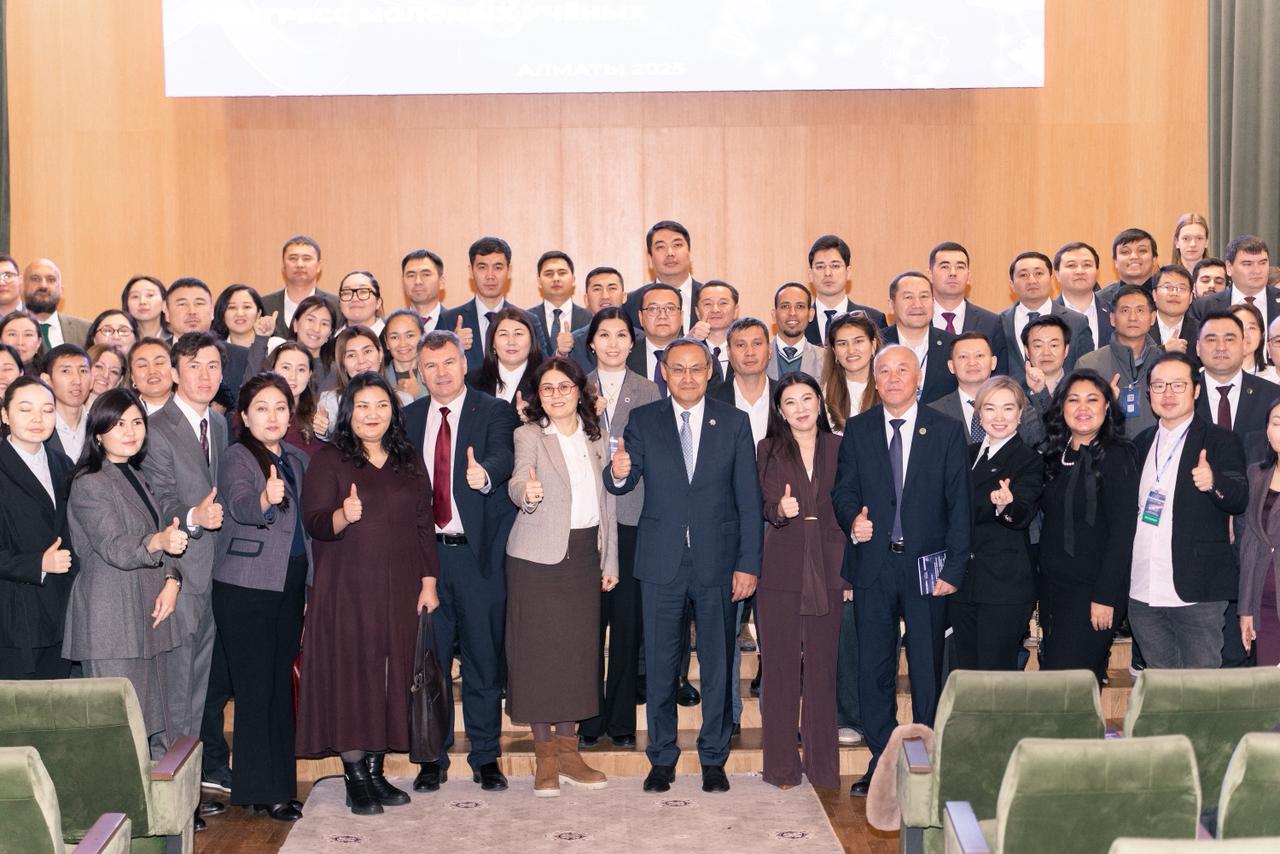
In his welcome address, State Counsellor Yerlan Karin emphasized the priority status of science in national policy and outlined support measures instructed by President Kassym-Jomart Tokayev: increased funding, expanded internship programs and strengthened social support for young scientists. It was noted that almost half of the country’s researchers are under the age of 40, and the Congress is becoming a key platform for their professional development.
Minister of Education Zhuldyz Suleimenova highlighted that “science begins at school”: research environments are being created in educational institutions, STEM laboratories are developing, Olympiad and project-based areas are being enhanced, and closer cooperation with the National Academy of Sciences (NAS) is planned in supporting gifted students. Young scientists were encouraged to engage more actively in mentorship and regional outreach.
The keynote address was delivered by the President of the NAS RK, Academician Akylbek Kurishbayev. He presented an expert model of the Academy’s work aimed at addressing systemic bottlenecks, strengthening universities and research institutes, and shared the results of foresight studies: 220 scientific and technological challenges and 65 detailed scientific and technical tasks (STTs) proposed as the basis for grant and program-targeted funding competitions. New interdisciplinary initiatives were also announced, including the AI SilkNet foresight and predictive analytics center, the spatiotemporal artificial intelligence laboratory and the development of the national DeepBas model. Priority areas include improving the quality of PhD training, expanding access to expensive equipment and developing regional science within the “Strong Regional Science — Strong Region” initiative. The “Gylym Zhastary” (“Science of Youth”) concept was presented as the foundation of long-term policy for youth science.
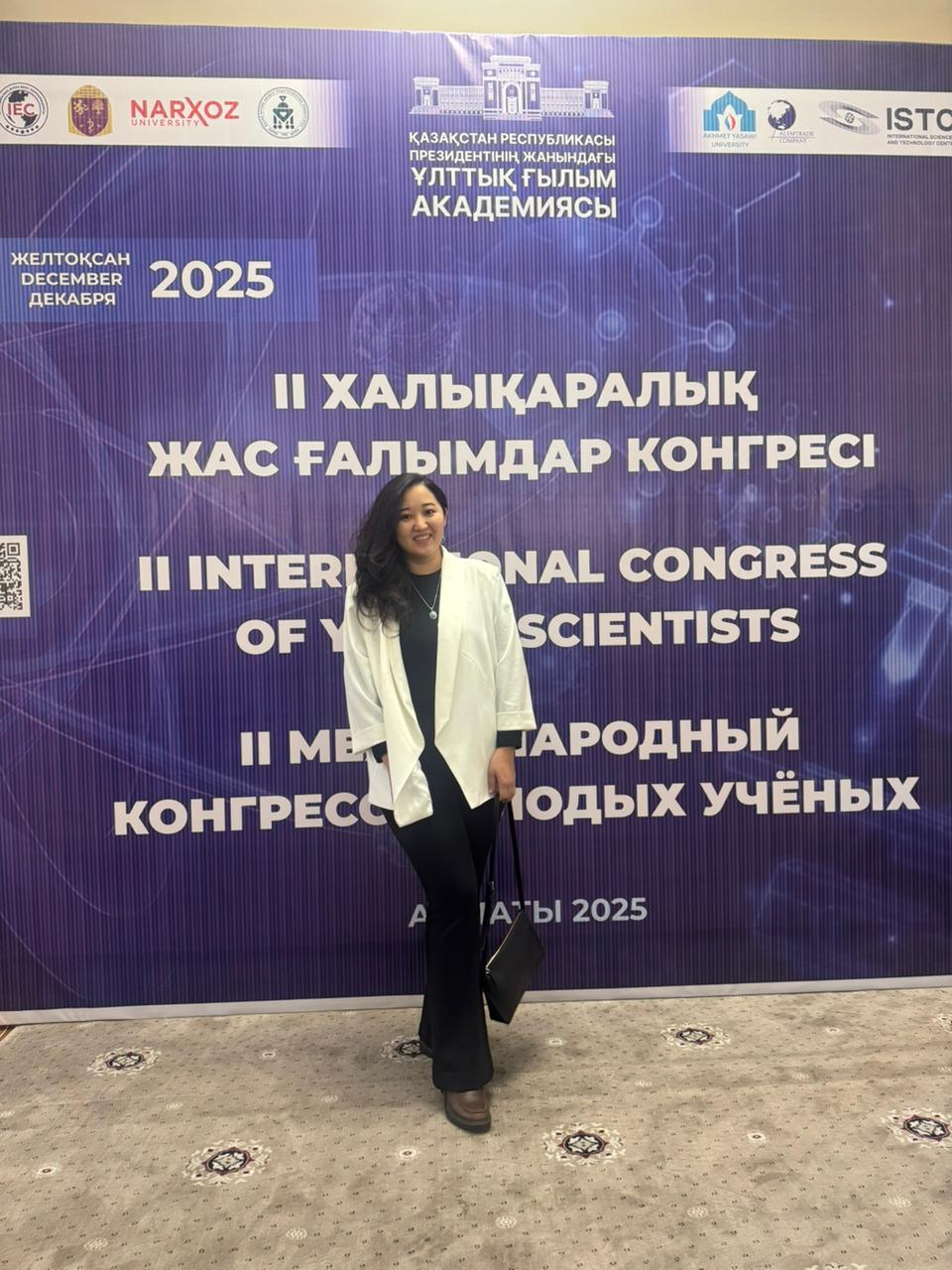
Gulzhanat Tanabekova, PhD, Academic Secretary of the Institute of Zoology 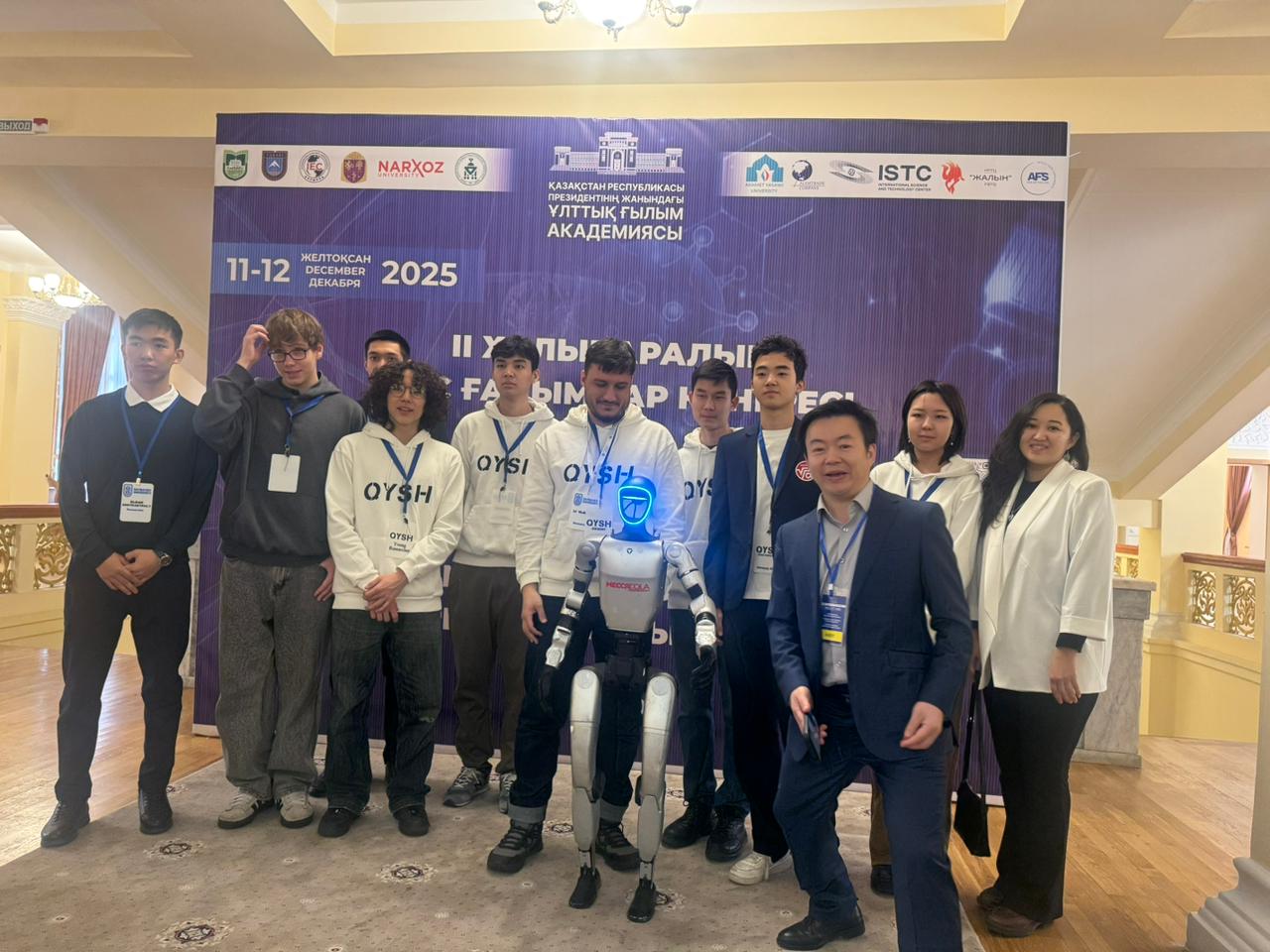
During the plenary session, international and Kazakhstani experts outlined strategic directions: interdisciplinary research, integration of AI into scientific processes, formation of international consortia and increased participation of young researchers in global initiatives. Representatives of the US National Academies of Sciences presented joint projects in biomedical big data management and opportunities for Kazakhstani researchers to participate in international programs. Kazakhstani scientists emphasized the importance of strengthening scientific infrastructure, developing scientific schools, expanding access to equipment and engaging the scientific diaspora.
The section work covered key areas of modern science: natural sciences and space, artificial intelligence, agrobioresources and biomedicine, ecology, education and social development. The accompanying program included master classes, workshops, grant and publication consultations and an exhibition of innovative projects by young researchers. Participants supported the strategic direction prioritizing science, approved the adoption of the “Gylym Zhastary” concept, proposed using the NAS STTs as a basis for funding competitions and emphasized the need for PhD training reform, greater access to equipment and the development of interdisciplinary research. A collection of infographic abstracts of Congress materials will be published on the official NAS RK website. The next, third Congress, dedicated to the 80th anniversary of the National Academy of Sciences, will take place in 2026, where progress will be assessed and the agenda for “the science we need by 2050” will be refined.
13.12.2025
Source: https://www.gov.kz/memleket/entities/sci/press/news/details/1124386