



“STRATEGY FOR THE DEVELOPMENT OF YOUNG SCIENCE: FROM PROBLEMS TO SOLUTIONS” was the theme of the Republican round table of the Council of Young Scientists under the MNHE of the Republic of Kazakhstan, which took place on 28 November at the Kazakhstan-British Technical University.
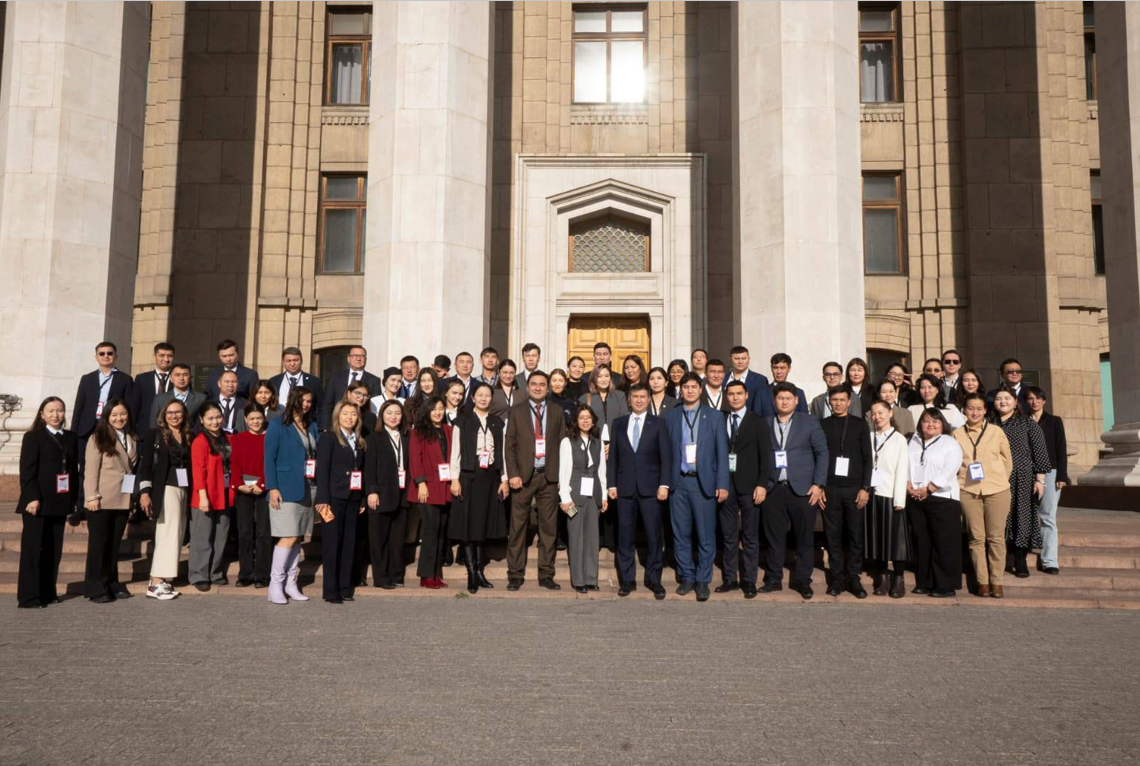
More than 100 young scientists from all regions of Kazakhstan gathered in Almaty to exchange experience, discuss the current systemic challenges faced by young researchers, and develop concrete proposals for their solutions.
The goal of the round table was to create a unified communication platform for leaders of the young scientific community.
Minister of Science and Higher Education Sayasat Nurbek addressed the participants with a welcome video message. He noted: “Young scientists are not just a future human resource pool, but a strategic asset that already today determines the pace and quality of modernization of the country’s scientific system. The task of the Ministry is to ensure full integration of young scientists into the global scientific community.”
The round table was attended by: A.M. Sembayeva – Deputy Chair of the Science Committee of the Ministry, D.Gh. Batryshev – Vice President of the Academy of Sciences under the President of the Republic of Kazakhstan, A.Zh. Bibosinov – Chairman of the Board of JSC “NCSTE”, M.T. Gabdullin – Chairman of the Board of KBTU, and other speakers.
Omіrgali Armanbek, Head of the Council of Young Scientists under the Ministry, spoke about its activities, plans, prospects, goals and objectives.
Asylkhan Bibosinov, Chairman of the Board of JSC “NCSTE”, conducted a master class for participants titled “Methodological foundations for submitting applications for scientific and technical projects and programs within GF and PCF competitions”.
From the Institute of Zoology, the event was attended by Gulzhanat Tanabekova, PhD, Academic Secretary.
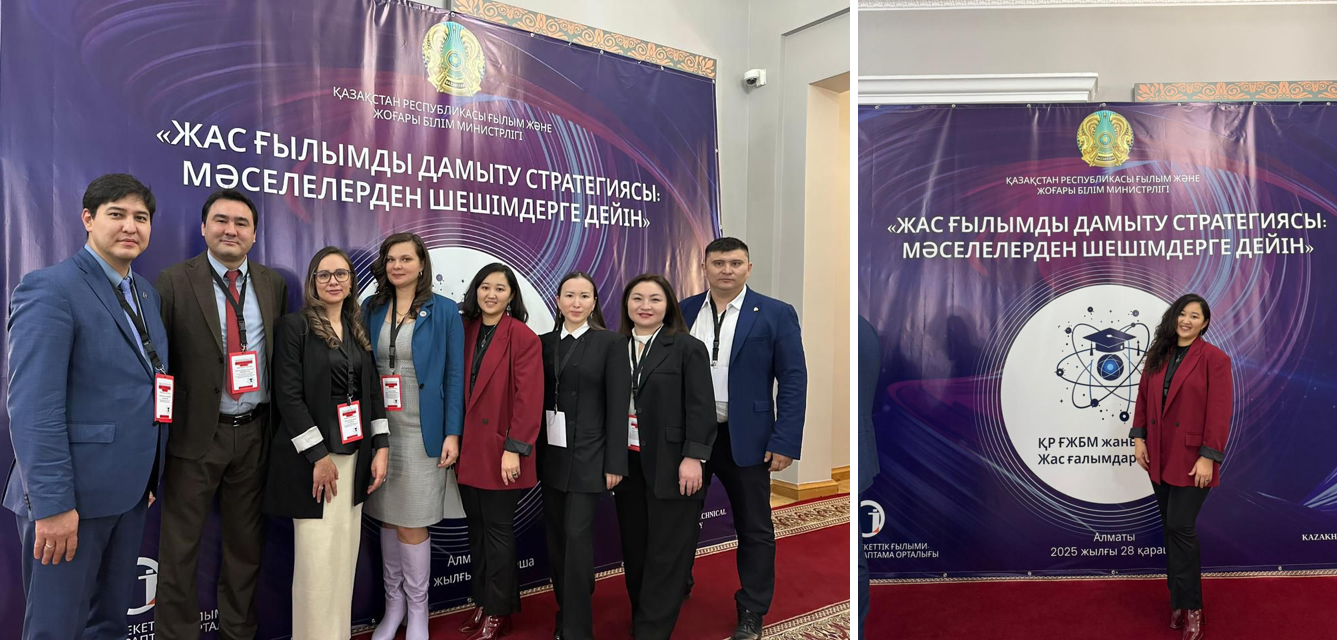
In her speech, Gulzhanat Bakytovna Tanabekova outlined several issues faced by young scientists and proposed recommendations from the Council of Young Scientists of the Institute of Zoology for inclusion in the meeting resolution:
1. Lifting the moratorium on increasing staff numbers in scientific and higher education organizations
The existing moratorium limits opportunities for employing young scientists and forming full-fledged research teams. It is proposed to lift the moratorium to enhance human resources and ensure the sustainable development of scientific schools.
2. Social guarantees for specialists working with hazardous and dangerous substances
To prevent occupational risks, it is proposed to introduce additional payments, benefits, or reduced working hours at the legislative level for employees engaged in research involving exposure to hazardous chemical and biological factors.
3. Recognition of expeditionary work as a separate type of activity
It is proposed to formally designate expeditionary and field research as an independent type of work distinct from business trips. Due to the specifics of such research (mountain areas, deserts, remote territories), the current payment of 1 MCI is insufficient. To ensure the quality of scientific research and the safety of personnel, separate rates and compensations should be established for specialists conducting field studies (zoologists, geographers, soil scientists, archaeologists, geologists, etc.).
4. Increasing the involvement of fundamental and applied scientists in the educational process
It is necessary to increase the share of special courses and practical classes conducted by active researchers. This will allow students to determine their specialization at an early stage of training and will ensure the integration of modern science into educational programs.
5. Introduction of a mandatory course “Ecology” in all educational programs
To foster environmental culture, ecological thinking and responsible attitudes towards the environment, it is proposed to make the course “Ecology” mandatory for all fields of study. This will promote the development of environmental education and the formation of environmentally conscious professionals across all sectors.
As a result of the round table, proposals were developed to address systemic problems at the national level, as well as measures to consolidate the scientific community and increase its effectiveness.
The Republican round table brought together representatives of the Councils of Young Scientists of research institutes, higher education institutions, enterprises and the corporate sector, becoming a platform for open dialogue, experience exchange, discussion of systemic issues, strengthening cooperation and further development of Kazakhstan’s science.
01.12.2025
Photo by the event organizers