



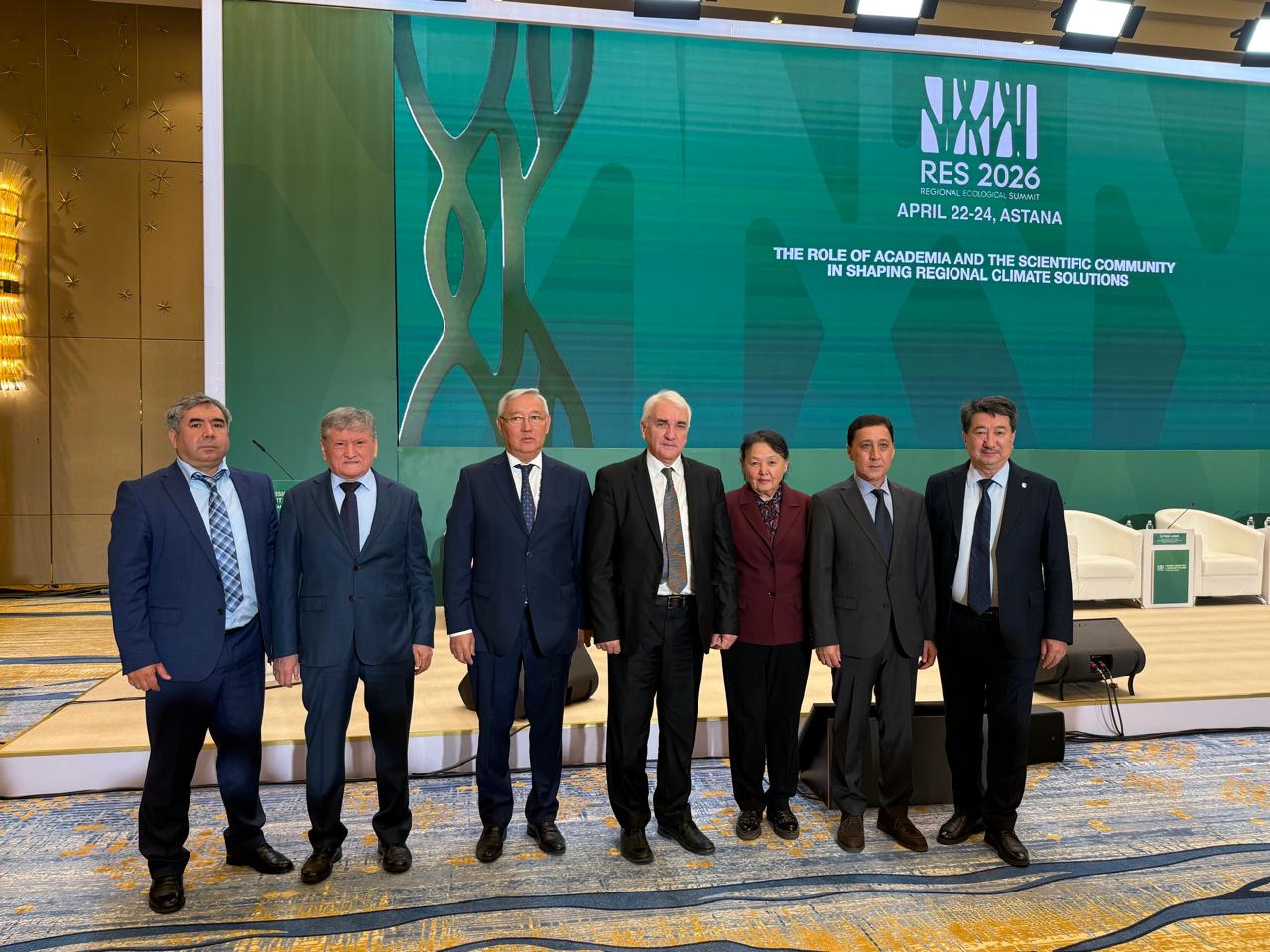
Employees of the Institute of Zoology of the Science Committee of the Ministry of Science and Higher Education of the Republic of Kazakhstan took part in the Regional Environmental Summit “RES 2026”, held in Astana on April 22–24, 2026.
The “RES 2026” summit was attended by the Presidents of the Central Asian countries, Armenia, Georgia, and Mongolia, as well as the Prime Minister of Azerbaijan, representatives of the United Nations, and international organizations, along with secretariats of international conventions and agreements on desertification, biodiversity, chemicals, and waste, as well as heads of environmental and sectoral agencies from a number of countries in the fields of water management, healthcare, agriculture, energy, education, and finance.
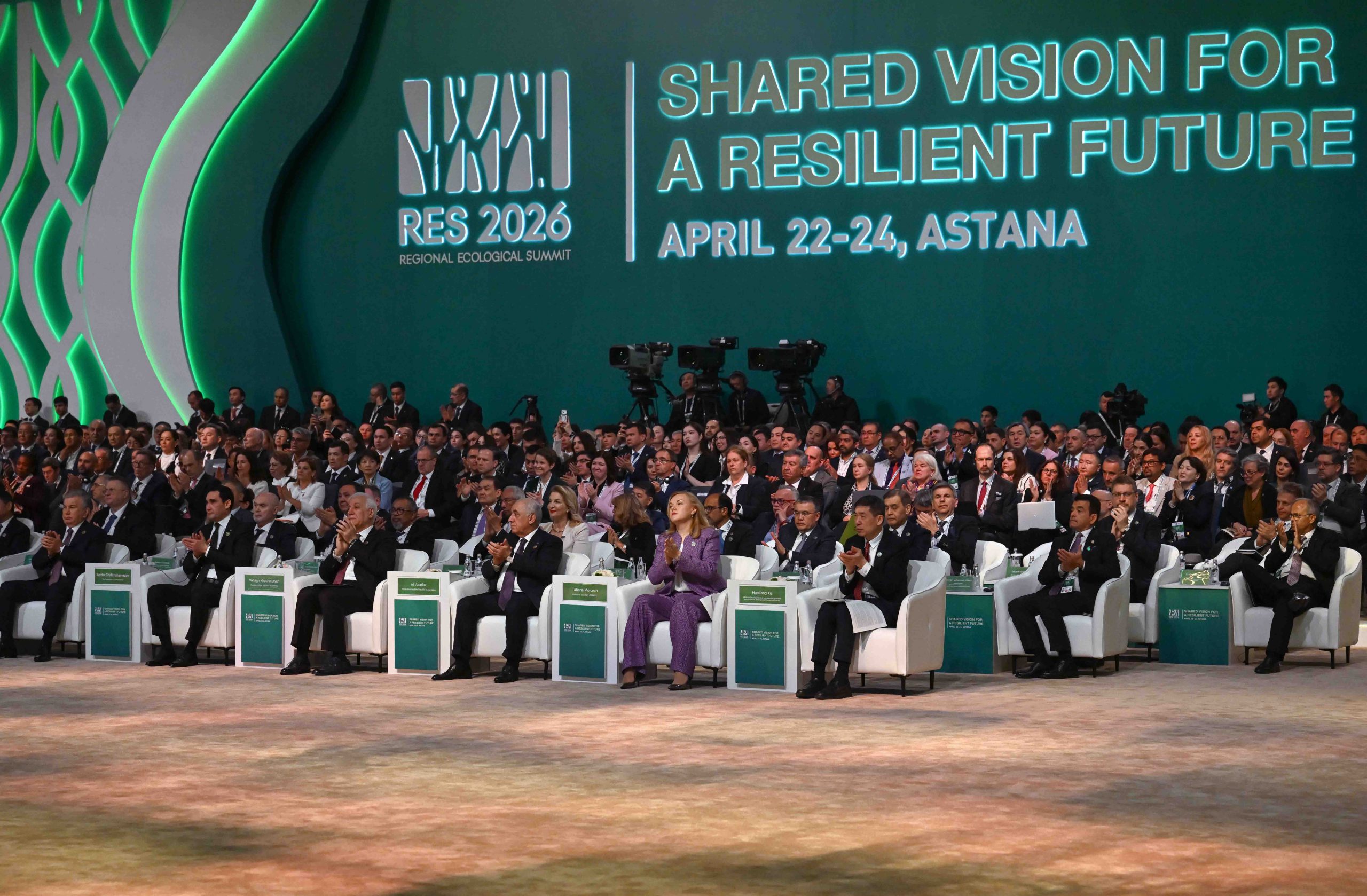
In his opening remarks, the President of Kazakhstan noted that “Kazakhstan pays special attention to environmental responsibility at the highest legislative level. Our new Constitution clearly defines environmental protection as one of the fundamental principles of state policy and civic responsibility. It confirms that environmental safety and prosperity are not merely technical issues. They are a true value that must become an integral part of our national consciousness and long-term development strategies.”
“Nature can exist without geopolitics, whereas geopolitics cannot exist without nature.
Kazakhstan calls on all partners to join the International Fund for the Conservation of Rare Species and Biodiversity – a platform for transboundary cooperation in scientific research and effective ecosystem protection.
Biodiversity conservation also remains one of the key directions of our environmental policy. Continuous efforts have yielded tangible results: the saiga population has been restored. The number of snow leopards in Kazakhstan has more than doubled, reaching about 190 individuals.
In cooperation with international partners, we are also engaged in the reintroduction and restoration of other rare species, including falcons, the Turanian tiger, and the Przewalski’s horse,” Tokayev noted.
The main outcome of “RES-2026” was the adoption of the Declaration of the Heads of State of Central Asia – “Environmental Solidarity of Central Asia”.
Within the framework of the declaration, Kazakhstan’s initiatives were supported:
- to establish an International Fund for the conservation of rare species and biodiversity;
- to develop an intergovernmental program for the conservation of water resources of the Caspian Sea;
- to establish an International Day of Greening the Planet;
- to strengthen cooperation through the Project Office platform for Central Asia on climate change and green energy.
The Action Program for the implementation of regional environmental initiatives in partnership with the UN for 2026–2030 was endorsed. It includes:
– a regional investment portfolio on environment and climate,
– a regional review of environmental performance,
– a framework document on nature-based solutions,
– a partnership framework for a circular economy,
– a regional platform “Green School”.
A number of investment agreements and memoranda of strategic partnership were adopted at the summit. In particular, a framework agreement on strategic cooperation was concluded between the Government of the Republic of Kazakhstan and the United Nations Environment Programme, предусматривающее создание Regional Environmental Hub in Almaty based on the UNEP Subregional Office for Central Asia.
The summit sessions were held across eight key thematic areas, resulting in a number of practical agreements.
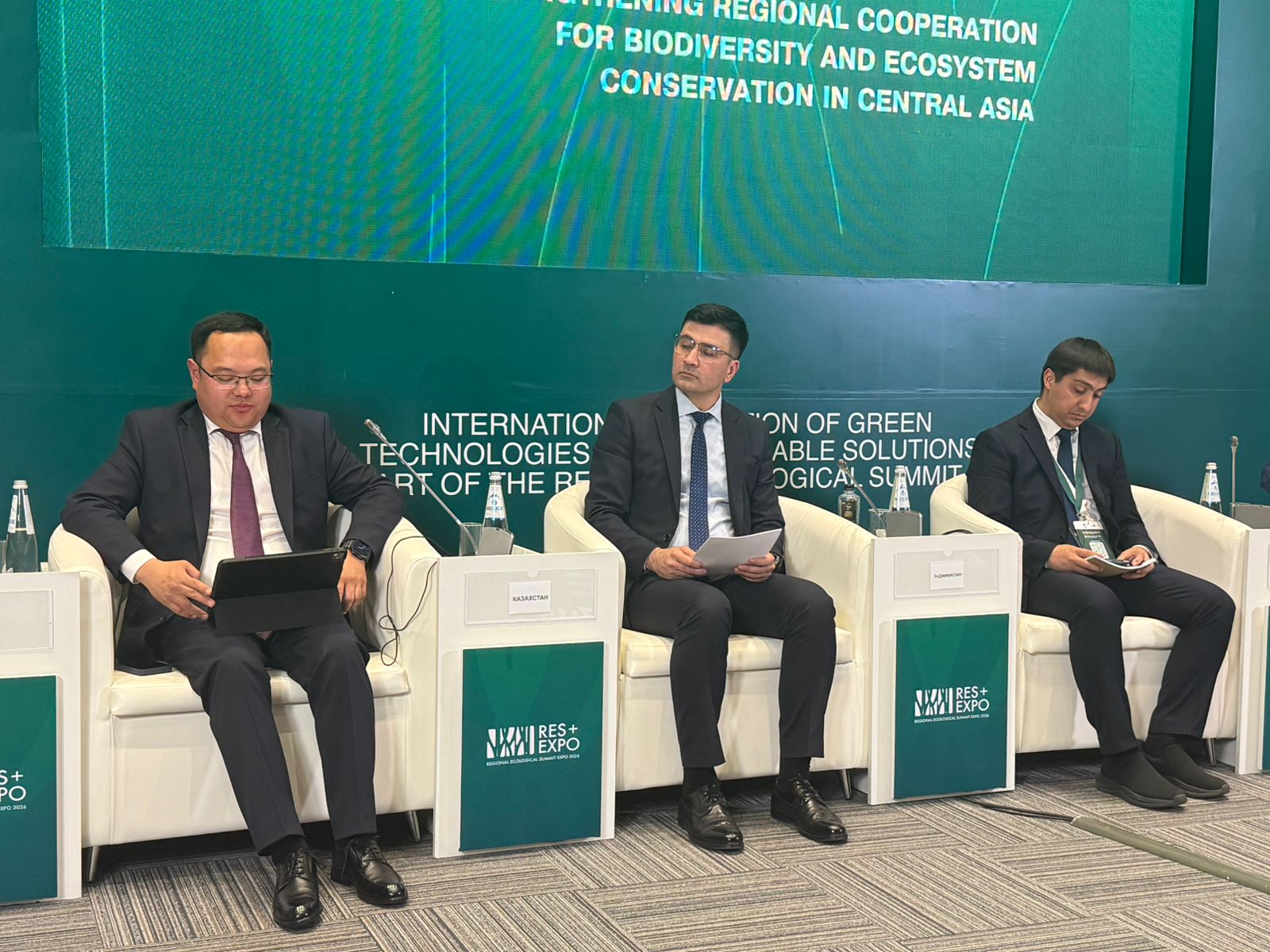
As part of the summit (RES), the Ministry of Ecology and Natural Resources of the Republic of Kazakhstan, together with the United Nations Development Programme (UNDP) in Kazakhstan and the partnership “NBSAP Accelerator”, held a high-level plenary session titled “Central Asian Countries’ Initiative – Harmony with Nature for Sustainable Regional Development.”
The key outcome was the signing of a Regional Declaration of Cooperation, confirming the commitment of Central Asian countries to strengthen regional cooperation in biodiversity conservation and sustainable use of natural resources.
The document provides for the development of an umbrella program and action plan, as well as a regional resource mobilization plan. These steps are aimed at fulfilling obligations under the Convention on Biological Diversity, the Kunming-Montreal Global Biodiversity Framework, and other multilateral environmental agreements. The declaration and its implementation documents will be presented at the 17th Conference of the Parties (COP-17) to the Convention on Biological Diversity in Armenia.
A separate session was dedicated to the role of the academic and scientific community in shaping regional climate solutions, featuring a speech by the Minister of Science and Higher Education.
Throughout the summit, the “RES 2026 EXPO” international exhibition center hosted an exhibition of green technologies, ecology, and biodiversity. A total of 247 companies from 30 countries presented their achievements across 120 pavilions.
The participation of the Institute’s staff in the summit made it possible to update scientific priorities within the context of the regional environmental agenda and to take into account current trends when planning future research on the study and conservation of Kazakhstan’s fauna.
The summit was attended by R.V. Yashchenko, Director General of the Institute of Zoology; M.A. Chirikova, Deputy Director for Science; N. Bizhanova, PhD, Senior Researcher at the Laboratory of Theriology, and others.
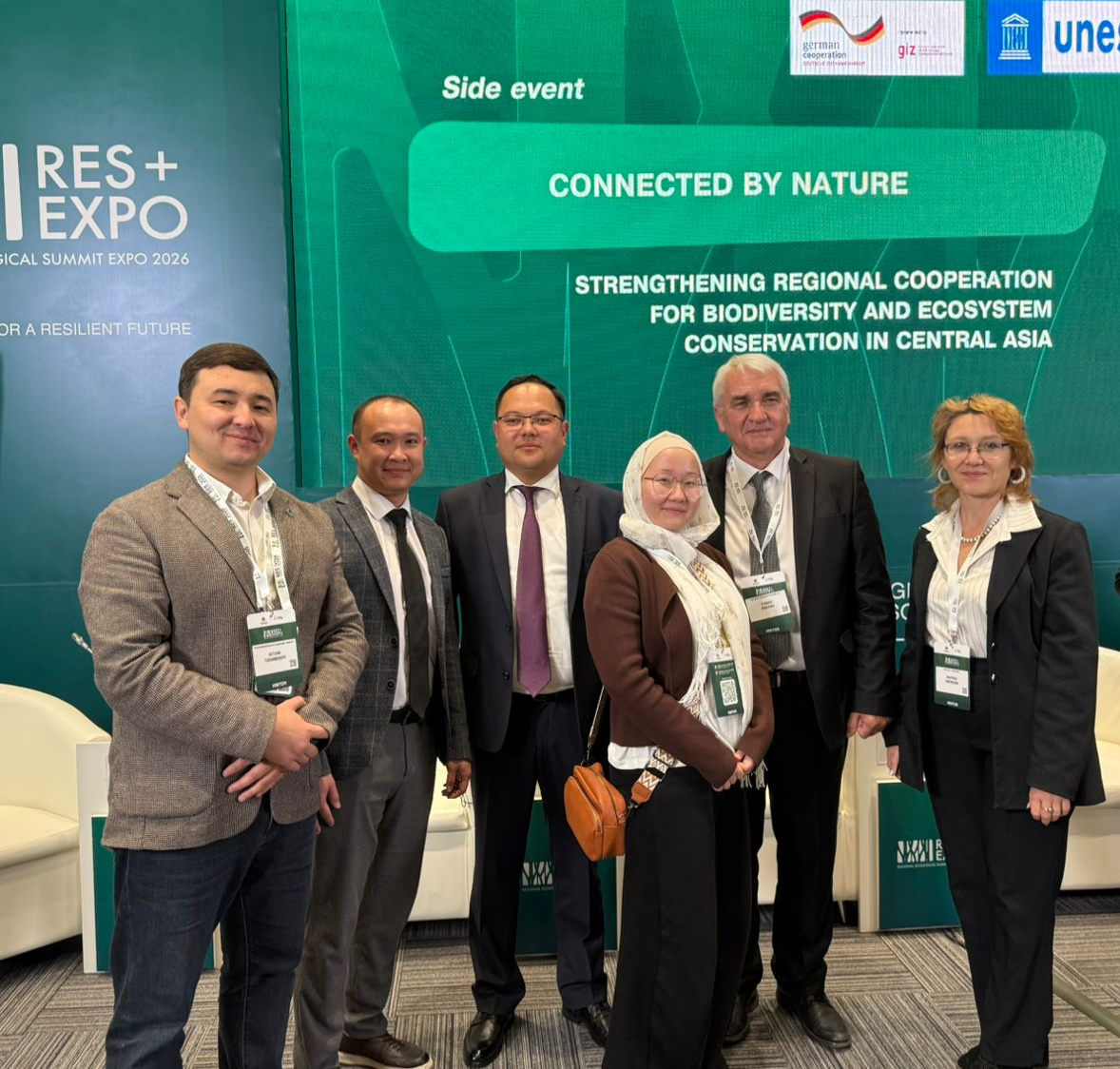
The dialogue platform created at the summit provided a strong impetus for addressing issues related to climate change, ecology, and biodiversity conservation. Colleagues continued discussions during breaks and after sessions, inspired by the topics raised and proposals presented. We hope that this summit will serve as a starting point for concrete solutions to many issues related to improving the environmental situation and conserving biodiversity in the region.
25.04.2026