



A working meeting with Hungarian scientist Dr. Gábor Sramkó, Associate Professor at the Department of Botany of the University of Debrecen, was held at the Institute of Zoology. The researcher is well known in the scientific community for his work in the field of phylogenetics and the evolution of steppe ecosystems.
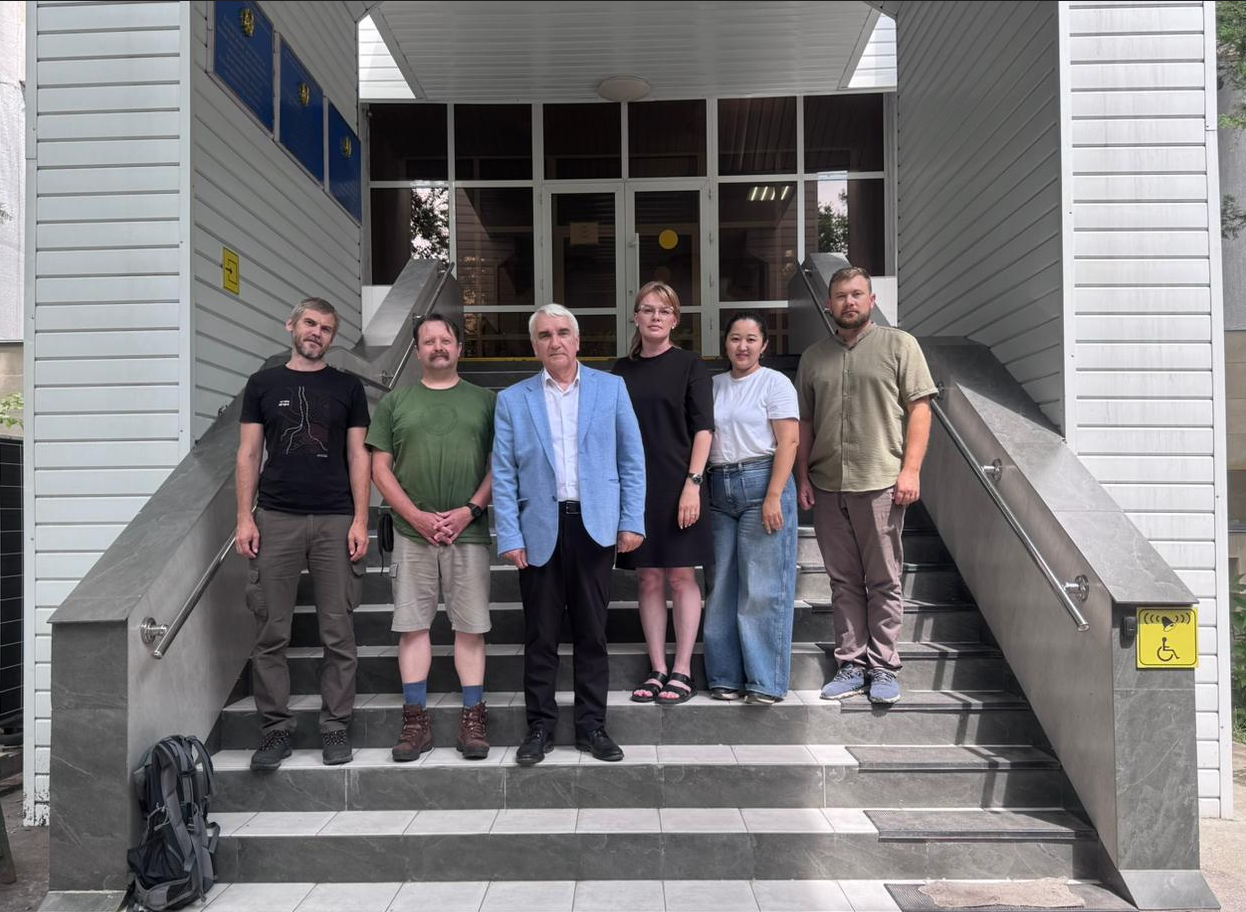
Gábor Sramkó is a member of an international research group in evolutionary genomics, which, in collaboration with the Mongolian Academy of Sciences and with the support of the Institute of Zoology of the Republic of Kazakhstan, is engaged in molecular genetic monitoring of saiga populations. This research area is of great importance for the conservation of one of the most iconic and significant species of the Eurasian steppe ecosystems.
In recent years, the scientist has been involved in collecting and analyzing genomic data of the Mongolian saiga population (Saiga tatarica mongolica)—a distinct subspecies currently under threat of extinction. According to the latest census, the Mongolian population numbers 28,857 individuals.
At the same time, studies have been conducted on samples collected in Kazakhstan and provided by specialists from the Laboratory of Theriology of the Institute of Zoology. The obtained data will enable a comprehensive comparison of the genetic diversity of different saiga populations.

Currently, the International Union for Conservation of Nature (IUCN), based on previously conducted genetic studies, considers the Mongolian and Kazakhstani saiga populations as a single unit, despite existing differences in their morphological characteristics. At the same time, modern methods of evolutionary genomics provide new opportunities to assess the degree of genetic differentiation between these populations and to refine their taxonomic status.
Today, Kazakhstan plays a key role in the conservation of the species. Four saiga populations occur in the country: Ural, Betpak-Dala, Ustyurt, and Pavlodar. According to the spring census of 2026, their total number reached a record 4.68 million individuals, accounting for more than 99% of the global saiga population.
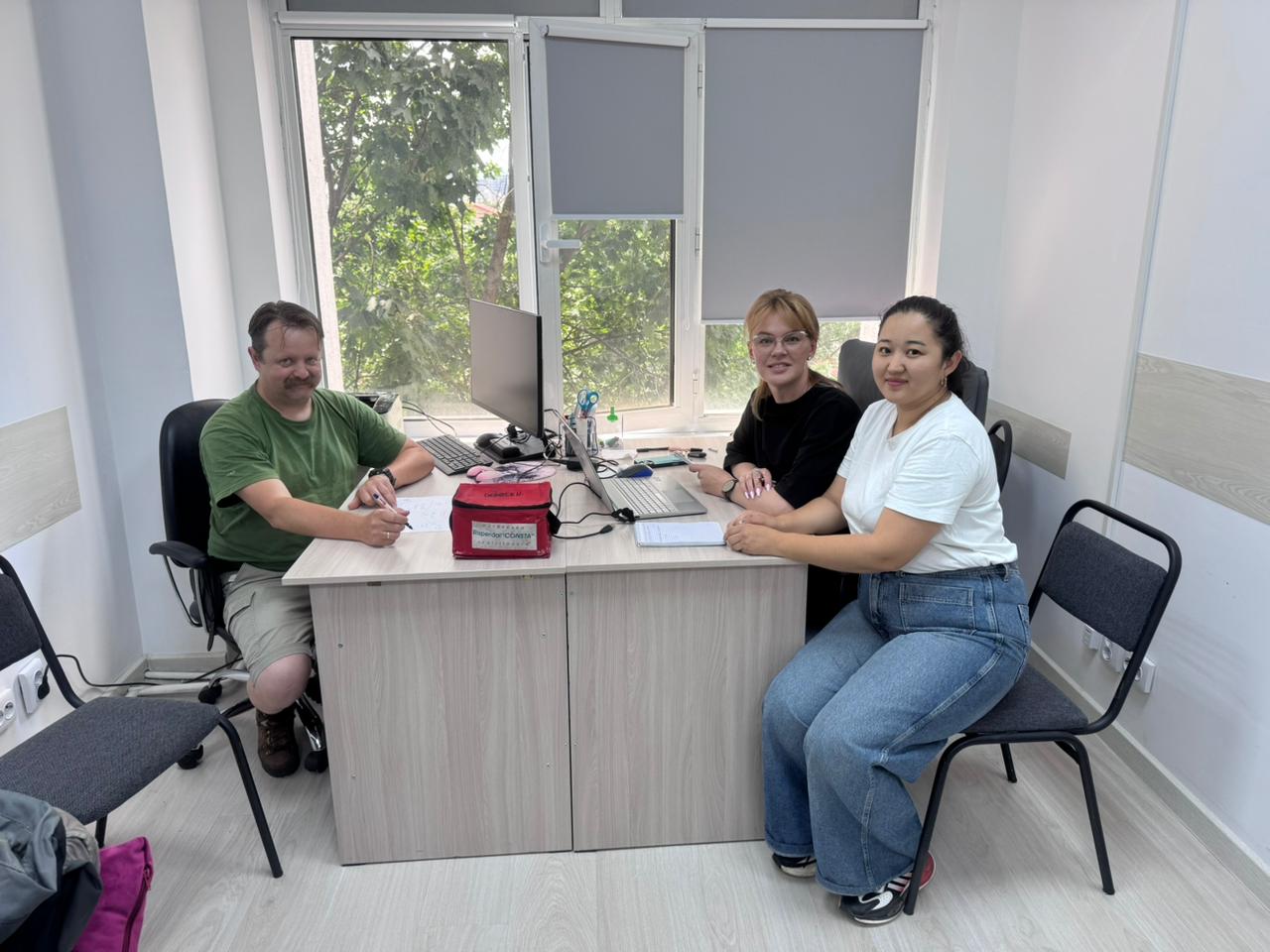
During the meeting, participants discussed prospects for further international collaboration and plans for comparative genomic analysis of different saiga populations. The results of these studies will help to better understand the evolutionary history of the species, clarify its intraspecific structure, and provide a scientific basis for effective conservation decisions at both national and international levels.
Saiga research is conducted within the framework of the state target financing program IRN BR23591114 “Development of a system for the sustainable use of the Betpak-Dala and Ustyurt saiga populations”.
22.06.2026