



As part of the “Zhas Galym” grant funding program for research by young scientists for 2026–2028, project leader Sanzhar Kantarbayev, Junior Researcher at the Center for Biocenology and Game Management of the Institute of Zoology of the Republic of Kazakhstan, completed an internship at the Evenstad Campus of Inland Norway University of Applied Sciences (INN University, Norway).
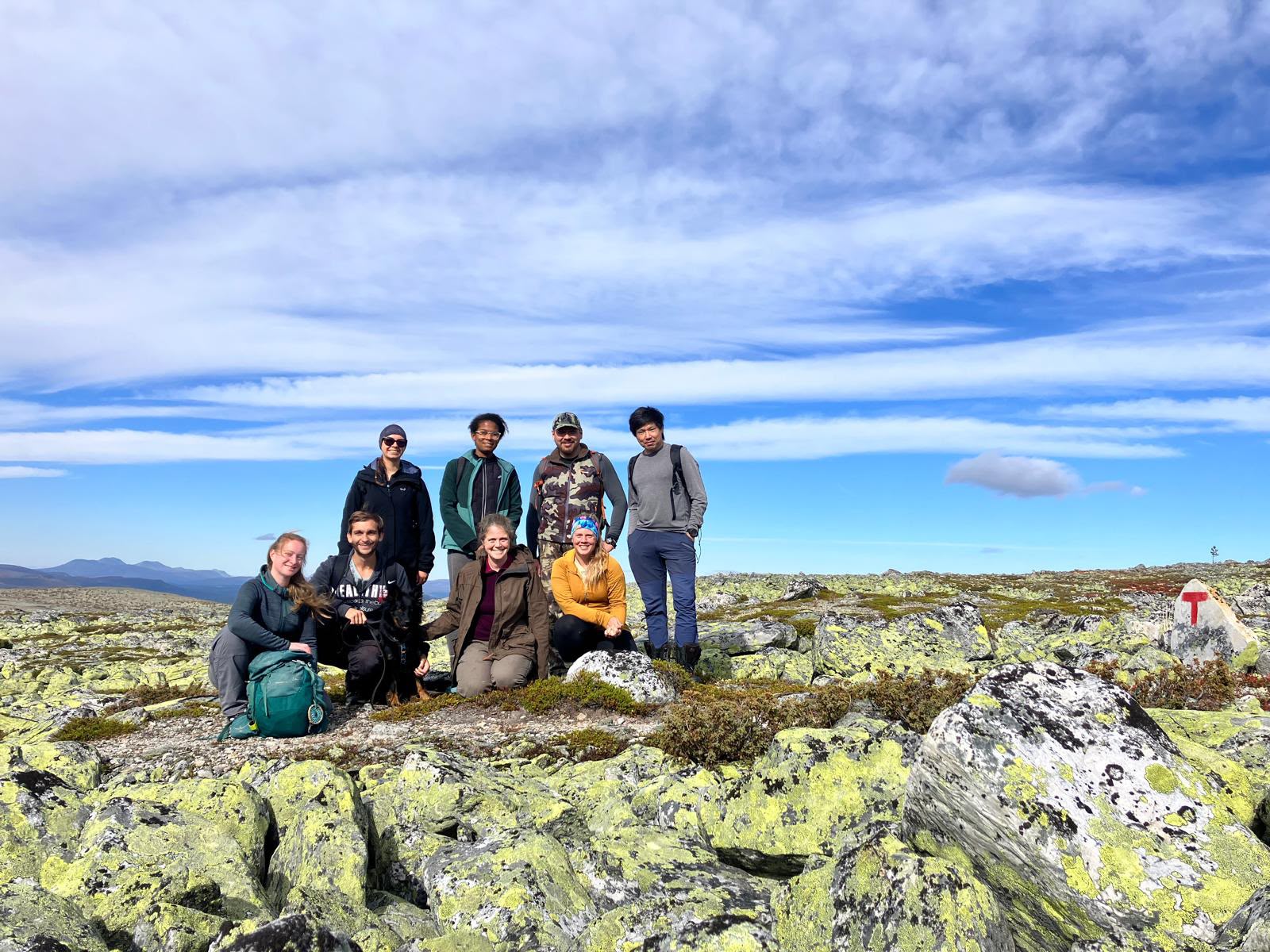
INN University is a public university in Norway with several campuses across the Innlandet region. The Evenstad Campus specializes in education and training in ecology, wildlife management and forestry. Its location in a natural environment provides excellent opportunities for practical training and field research.
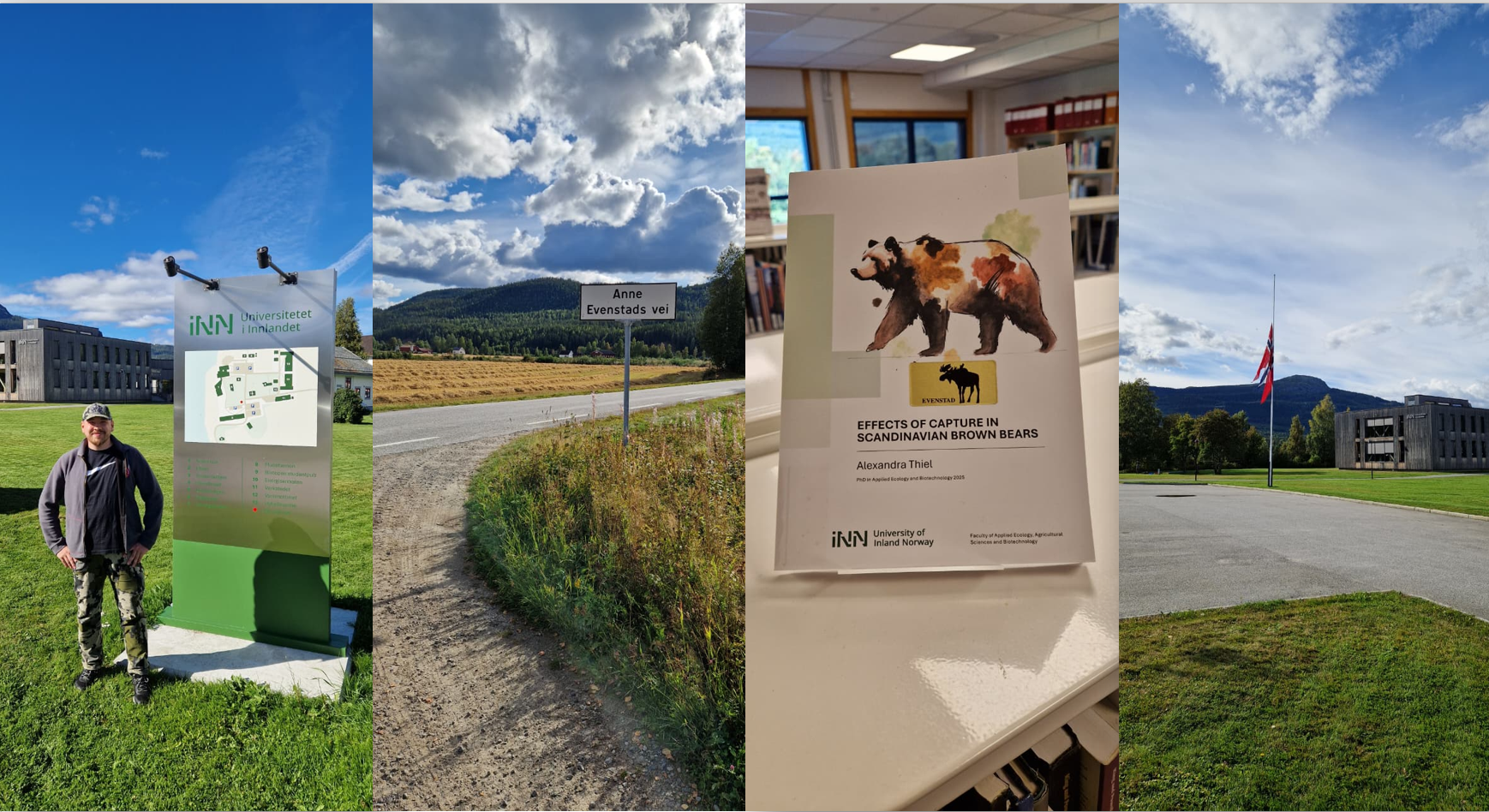
Kantarbayev’s internship was conducted as part of the advanced training course 6EV315-1 26H “Chemical and Physical Capture of Scandinavian Mammals” and was related to the implementation of the research project “Study of the biological characteristics and impact of the brown bear population (Ursus arctos collaris, Cuvier, 1824) on human activities in East Kazakhstan” (IRN: AP32515935).
The course was held from August 30 to September 30 and included theoretical and practical training for specialists in veterinary medicine, ecology and game management.
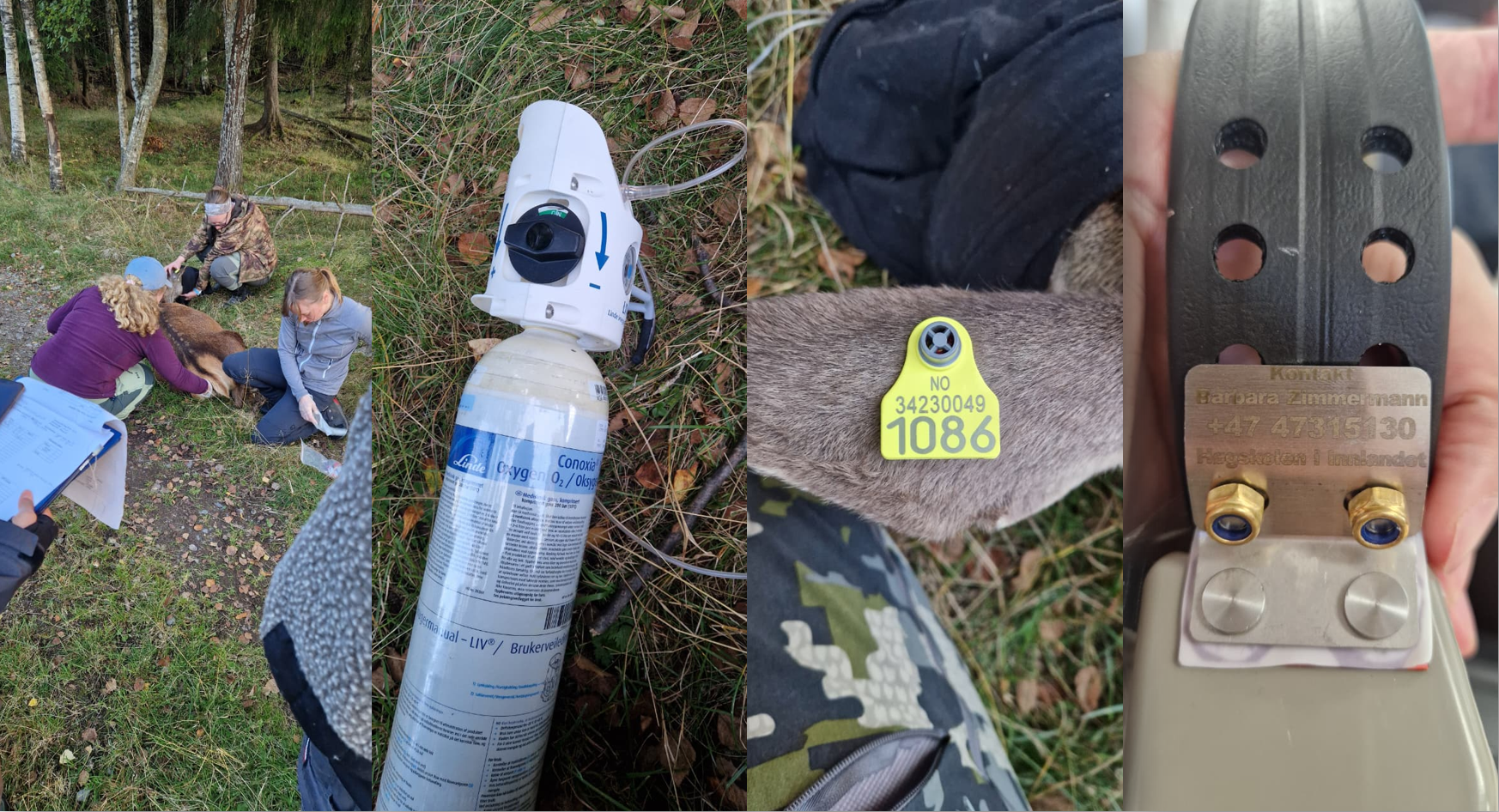
The program covered modern methods of capturing and immobilizing wild animals, approaches to population management and field research techniques. Particular attention was given to modern wildlife research tools, including satellite telemetry, tissue sampling for DNA analysis, processing animal location data and working with biological samples.
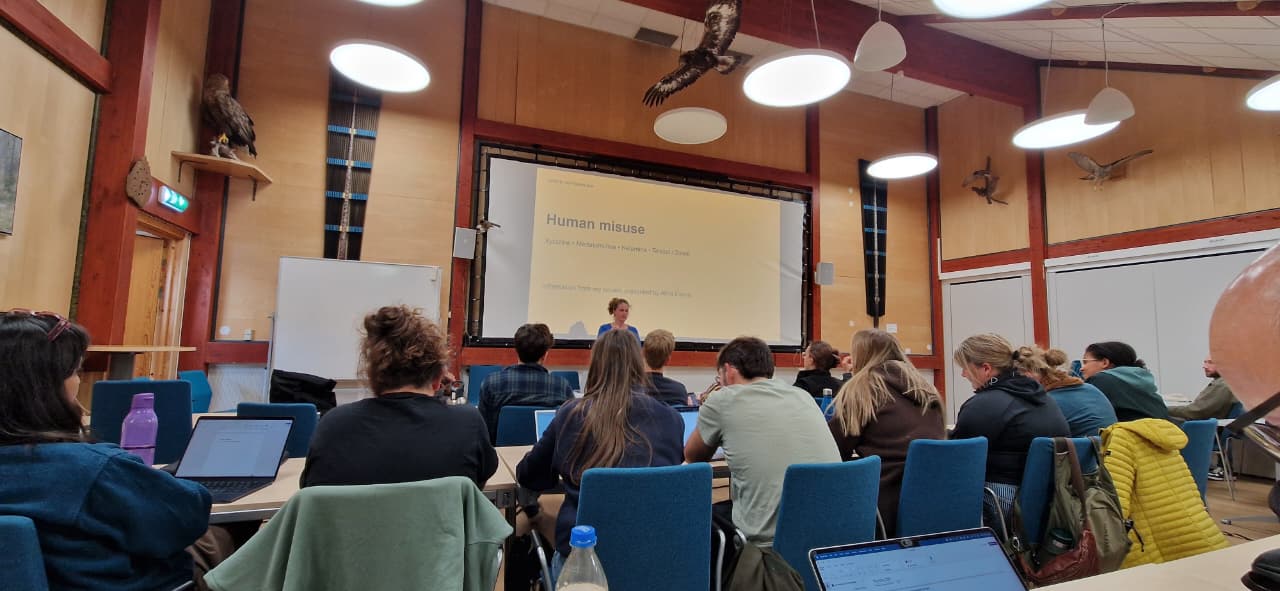
The classes were taught by veterinarians, ecologists and researchers with many years of practical experience working with various wildlife species, including brown bears, wolves, lynx, wolverines, moose and other species.
The course instructors included Alina Evans, Andrea Miller, Jon Martin Arnemo, Morten Tryland, Boris Fuchs, Alexandra Thiel, Christopher Nordli, Magne Neby and Martin Mayer. The specialists have experience in wildlife capture and veterinary care, field research, satellite monitoring, handling biological samples and studying the ecology of various species.
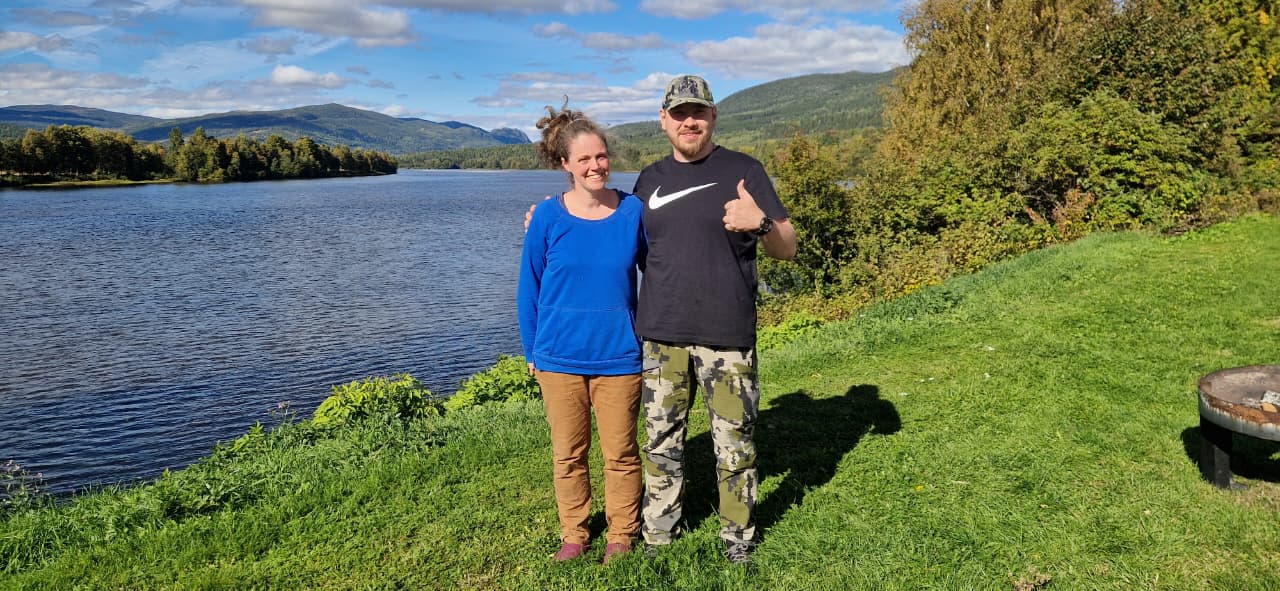
Upon completion of the training, S.S. Kantarbayev successfully passed the examinations and received two certificates.
More than ten years of brown bear research
Sanzhar Kantarbayev has been studying brown bears in Kazakhstan for more than ten years. He is the author and co-author of scientific publications on the species’ ecology, distribution and abundance, as well as human-brown bear interactions.
In March 2026, the international scientific journal Ecology and Evolution published the article “Monitoring Brown Bears in Kazakhstan: A Pilot Study from the Altai Mountain Region”, prepared by Sanzhar Kantarbayev together with Aimee Tallian, Matthew Grainger, Brett K. Sandercock and Alexander Kopatz.
The study focuses on monitoring brown bears in the Altai mountain region of Kazakhstan and presents the results of a pilot study.
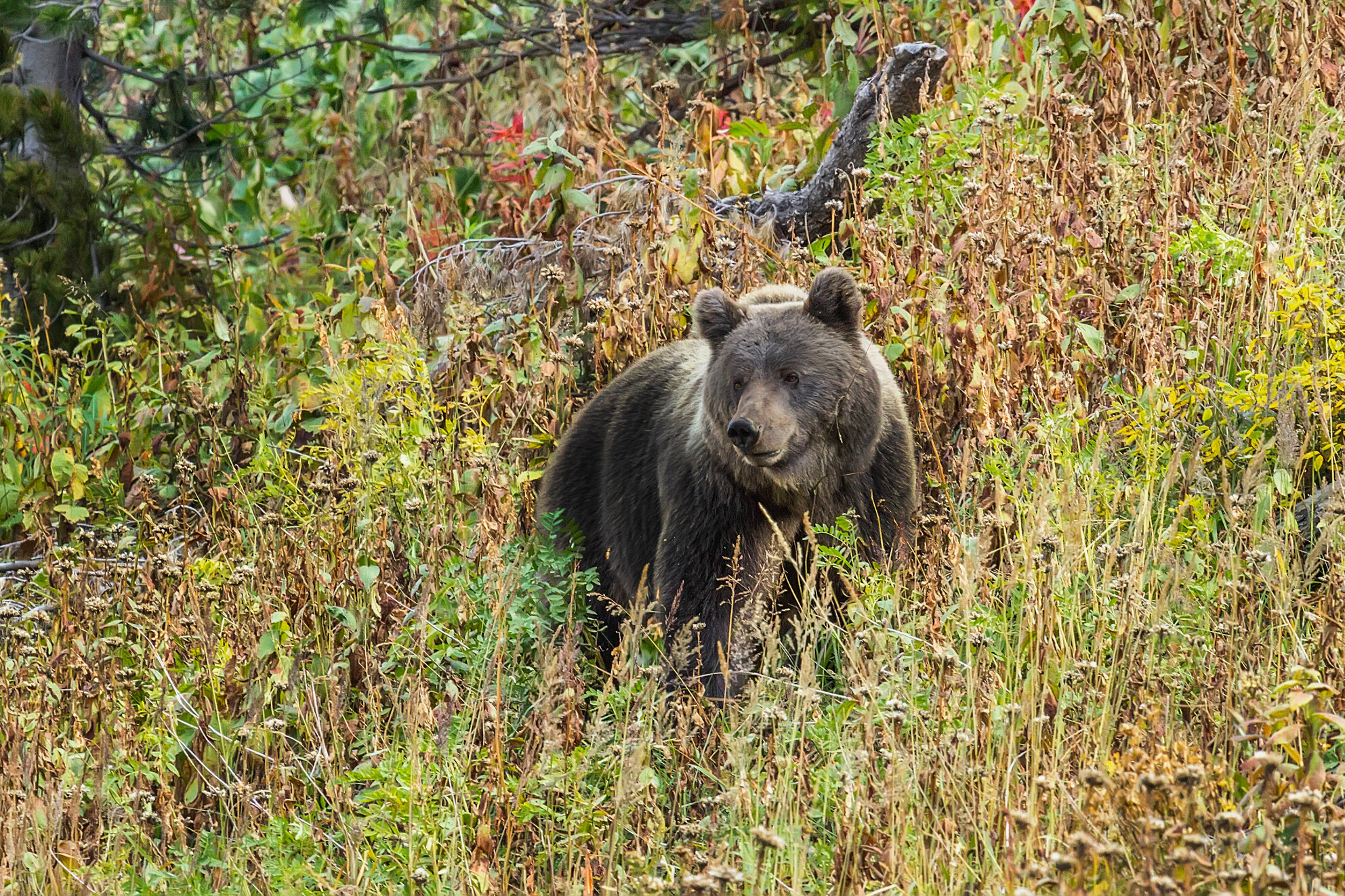
Kantarbayev S., Tallian A., Grainger M., Sandercock B.K., Kopatz A. Monitoring Brown Bears in Kazakhstan: A Pilot Study from the Altai Mountain Region // Ecology and Evolution. – 2026. – Vol. 16, Issue 3: e73272.DOI: 10.1002/ece3.73272
This publication was the result of Sanzhar Kantarbayev’s previous internship at the Norwegian Institute for Nature Research (NINA)*.
Why brown bear research is important
The brown bear is one of the large predators of East Kazakhstan and an important component of the region’s natural ecosystems. At the same time, bear habitats may overlap with areas of human economic activity. This makes the study of bears’ spatial behavior, movement patterns and interactions with humans an important area of modern research.
Conservation of the species requires scientifically sound data on the status of its populations, the biological characteristics of the animals, their movement patterns and the factors influencing their interactions with humans.
Modern field research methods, including satellite telemetry, genetic analysis and safe animal capture, make it possible to obtain detailed data on the behavior, movements and biological characteristics of wild animals.
The knowledge and practical skills acquired in Norway will be applied by Sanzhar Kantarbayev in implementing the project on brown bear research in East Kazakhstan.
* The Institute of Zoology of the Republic of Kazakhstan has a memorandum of international cooperation with NINA.
International cooperation and professional exchange give young researchers access to modern wildlife research methods, help them expand their scientific expertise and promote collaborative research.
For the Institute of Zoology, developing such professional ties is an important part of training young specialists and introducing modern approaches to the study of Kazakhstan’s biodiversity.
01.10.2026
Photo: Sanzhar Kantarbayev
Permission from the Institute of Zoology must be obtained before reproducing these materials in any publication. A hyperlink to the website of the Institute of Zoology of the Committee of Science of the Ministry of Science and Higher Education of the Republic of Kazakhstan is required. All rights are protected by the Law of the Republic of Kazakhstan “On Copyright and Related Rights”.