



Research in the Western Tien Shan has led to the rediscovery of a little-known species and the description of a new subgenus, Graeserotodes
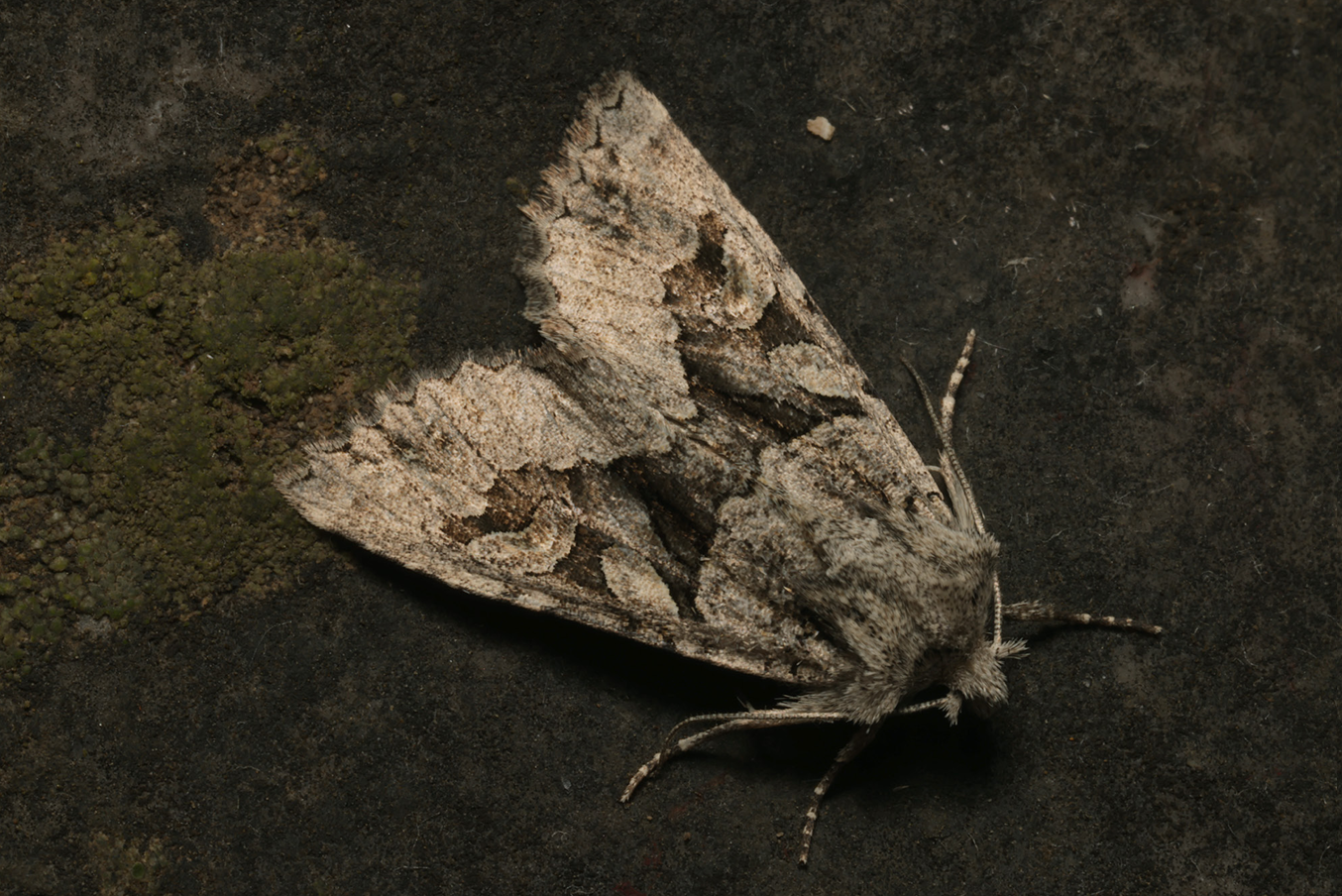
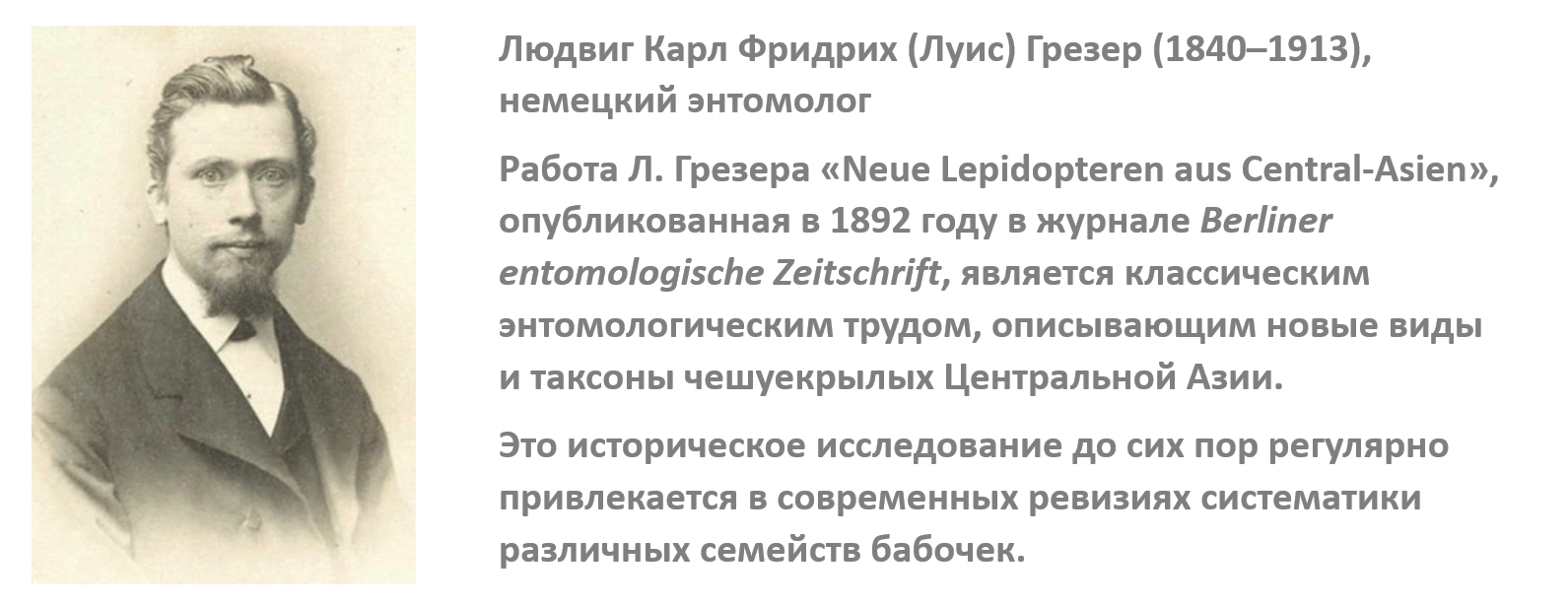
The history of this moth began more than 130 years ago. In 1892, the German entomologist Ludwig Graeser described the little-known Central Asian noctuid moth Dryobota contermina. Its systematic position was subsequently revised several times, but the species itself remained virtually unknown for a long time and was reliably recorded only in Kyrgyzstan.
A new chapter in the study of this moth began in autumn 2025 during expeditionary research conducted by the Institute of Zoology of the Republic of Kazakhstan in the Western Tien Shan.
Sergey Titov, Leading Researcher at the Laboratory of Entomology, discovered a series of specimens of this moth species in two specially protected natural areas of Kazakhstan: the Aksu-Zhabagly State Nature Reserve, in the Baldyberek River gorge, and the Sairam-Ugam State National Nature Park, at the Bakshelpек ranger station.
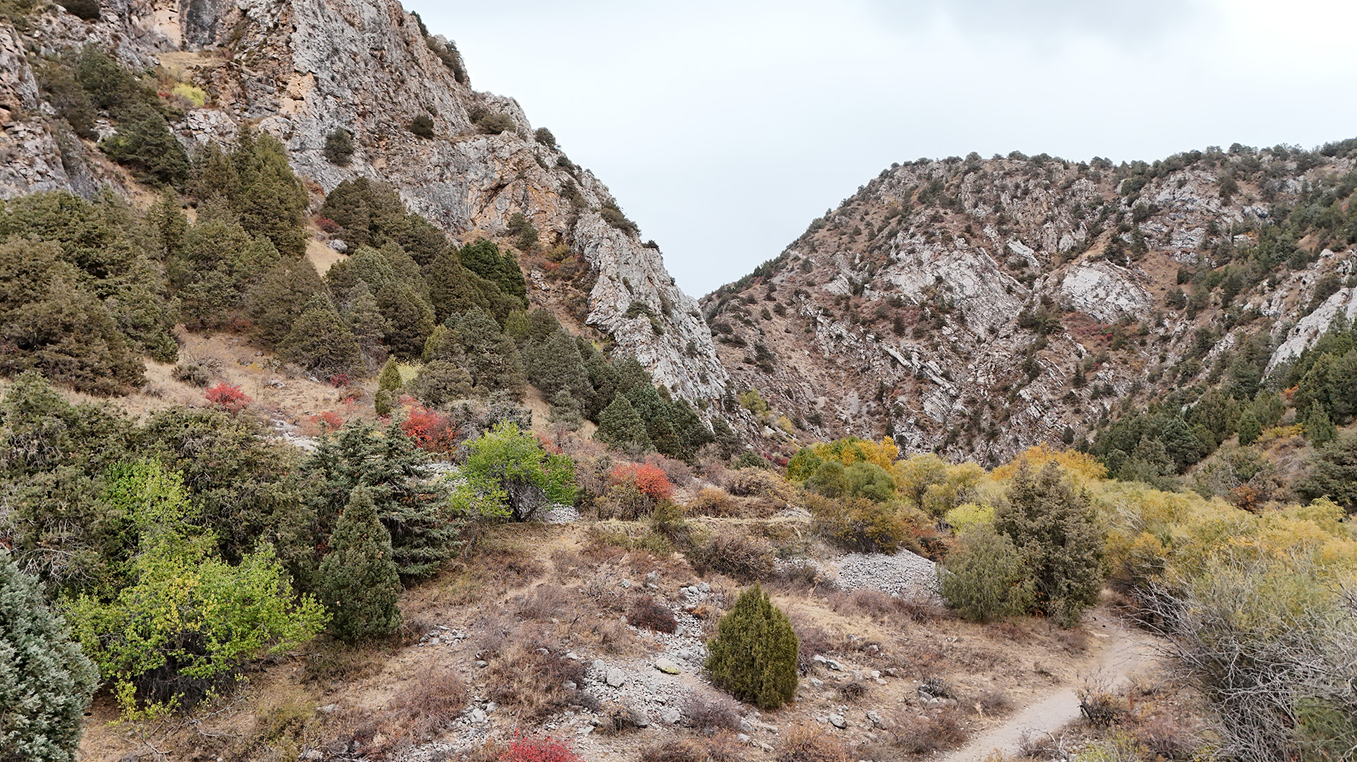
These findings provided the first reliable confirmation of the species’ presence in the fauna of Kazakhstan.
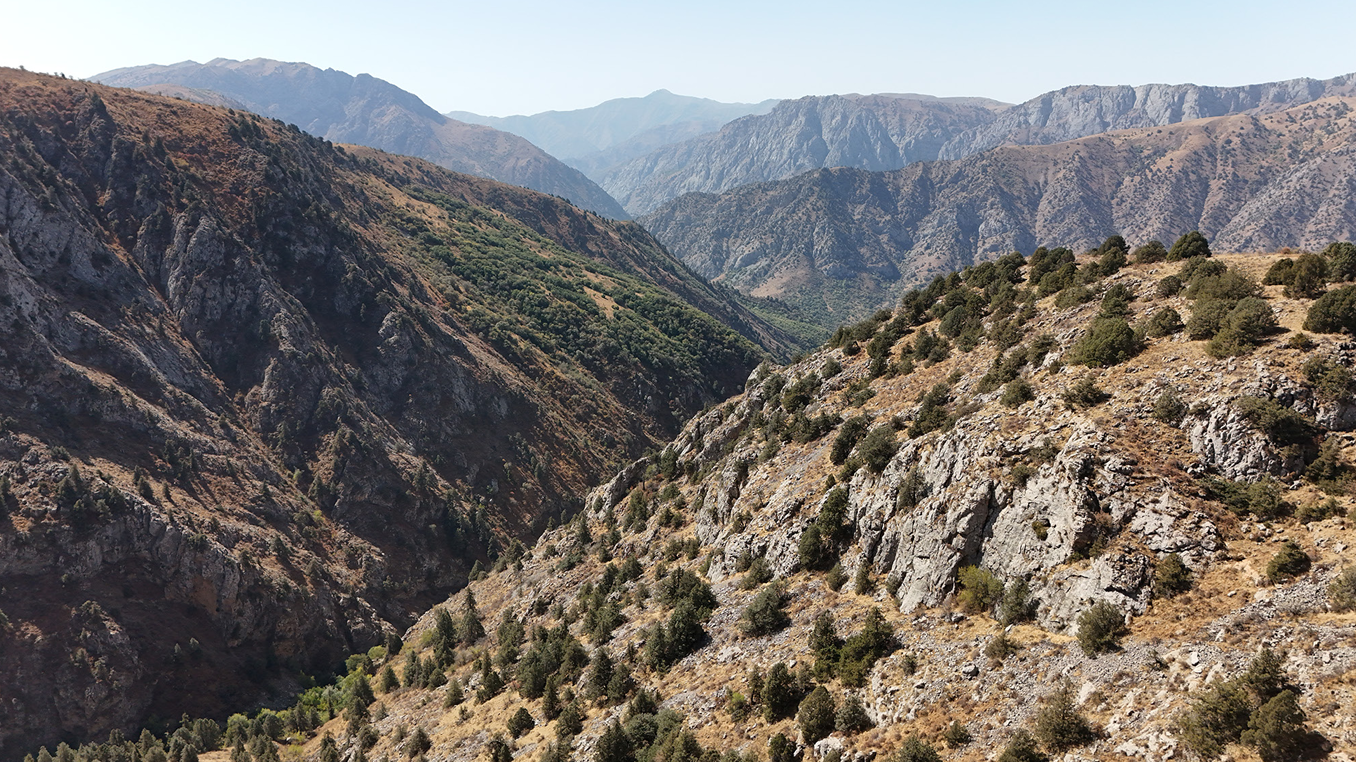
Thus, more than a century after its original description, this little-known moth was found during field research in the Western Tien Shan and effectively “rediscovered” by modern science.
The term “rediscovery” is used in zoology for cases in which a species has not been recorded for a very long time after its original description or has remained known only from extremely limited historical material.
From rediscovery to a new subgenus
However, the field discoveries were only the beginning.
Subsequent study of the collected material not only expanded our knowledge of the moth’s distribution but also led to a substantial revision of its systematic position.
Detailed examination of the collected material showed that this species differs substantially from representatives of the genus Dryobotodes, to which it had previously been assigned. At the same time, morphological characters indicating its relationship with the Himalayan genus Plantea were identified.
The identified combination of characters made it possible to establish a distinct new subgenus for this group, Graeserotodes.
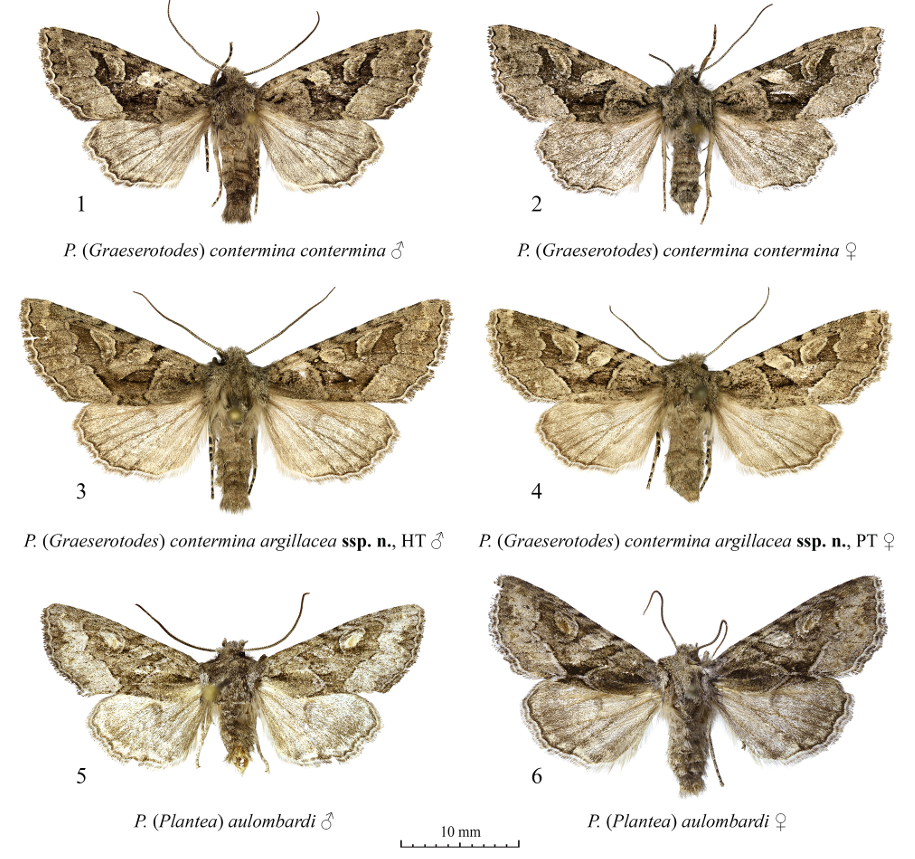
As a result, the species described by Ludwig Graeser in the 19th century received a new systematic placement: Plantea (Graeserotodes) contermina.
The name Graeserotodes preserves a link to the history of the species’ study: it is derived from the surname of Ludwig Graeser, who first described the moth, and the name of the genus Dryobotodes, to which it had previously been assigned.
The study also produced another taxonomic result. Comparison of specimens from different parts of the Tien Shan revealed consistent differences, and the population from the Moldo-Too Range in Kyrgyzstan was described as a new subspecies, Plantea (Graeserotodes) contermina argillacea.
Why is this important for Kazakhstan?
This story clearly demonstrates how much remains to be learned about the fauna of Kazakhstan. Even today, there are species in the country about which very little is known, while many regions and taxonomic groups still require detailed study.
The Western Tien Shan, one of the most biodiverse regions of Central Asia, is particularly important in this respect. Species not previously recorded in Kazakhstan continue to be discovered here, their distributions and systematic positions are being clarified, and material collected during expeditions provides a basis for further taxonomic research.
The story of Graeserotodes is a clear example of why regular field research is essential. A moth described more than 130 years ago and long remaining virtually unknown was discovered in Kazakhstan and studied in detail, and the results made it possible to reassess its systematic position.
Such research is important not only for specialists. The more thoroughly the country’s fauna is studied, the more accurately we can assess the uniqueness of individual natural areas, identify poorly studied and potentially vulnerable components of biodiversity, and determine conservation priorities.
Specially protected natural areas play a particularly important role. The findings in Aksu-Zhabagly and Sairam-Ugam demonstrate that these areas preserve not only unique landscapes and well-known representatives of the fauna, but also considerable insect diversity that remains insufficiently studied.
The research was conducted within the framework of program BR24993060 “Development of an information system for maintaining a cadastre of wild animals of the Western Tien Shan for their conservation and sustainable use”.
The authors express their gratitude to the administration and staff of the Aksu-Zhabagly State Nature Reserve and the Sairam-Ugam State National Nature Park for their assistance in organizing and conducting the field research.
Publication
The results of the study were published in the scientific journal Ecologica Montenegrina and are available in open access.
Titov, S. V., & Volynkin, A. V. (2026). Graeserotodes, a new subgenus of the genus Plantea Hacker & Ronkay, 1996 from Central Asia (Lepidoptera: Noctuidae: Noctuinae: Xylenini). Ecologica Montenegrina, 101, 71–79. DOI: 10.37828/em.2026.101.7
Research is continuing. The high diversity and still insufficiently studied fauna of Kazakhstan give reason to expect further findings, rediscoveries, and discoveries of species and other taxa new to science.
09.10.2026
AUTHOR: Sergey Vasilievich Titov, Leading Researcher at the Laboratory of Entomology, Institute of Zoology of the Republic of Kazakhstan
When using materials from the Institute of Zoology, a hyperlink to the source is required. All rights are protected by the Law of the Republic of Kazakhstan “On Copyright and Related Rights”.
Other articles by S.V. Titov on new moth species:
Perigrapha belyalovi – a new moth species from Central Asia
First record of Trichosea ludifica (Linnaeus, 1758) in Kazakhstan