



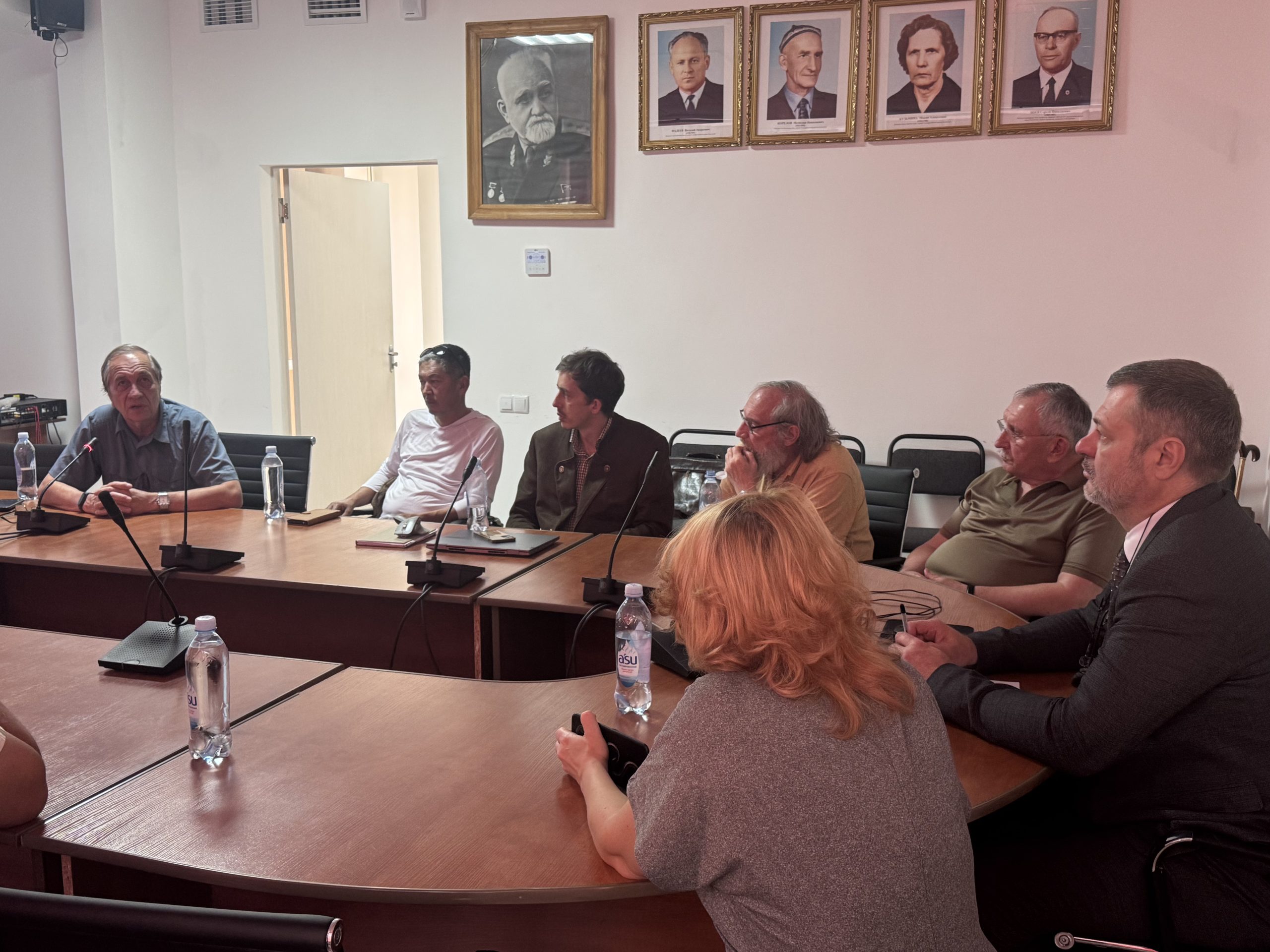
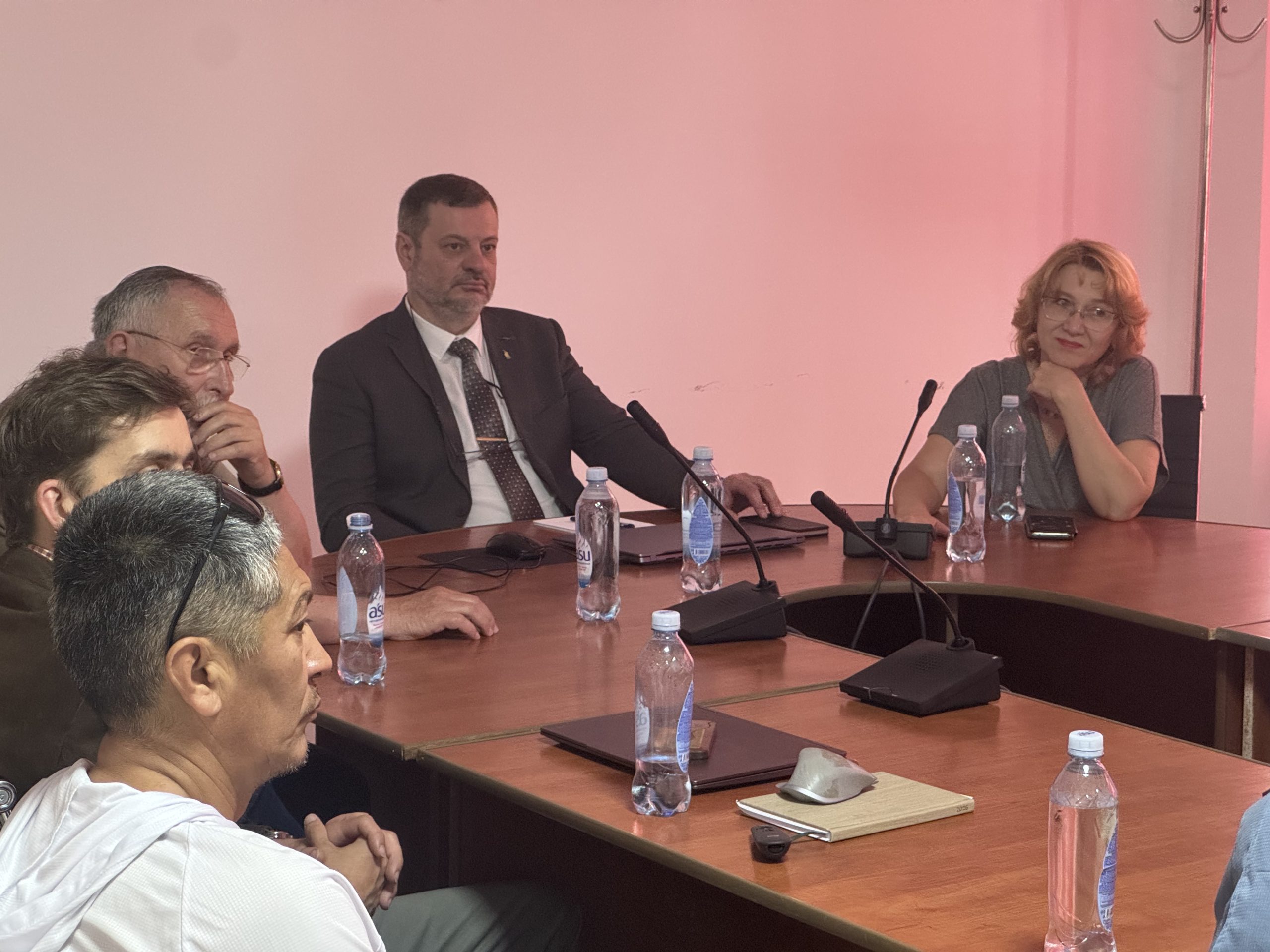
On June 4, 2026, the Institute of Zoology of the Committee of Science of the Ministry of Science and Higher Education of the Republic of Kazakhstan hosted a round table titled “Modern methods of ungulate population assessment in forest zones using camera traps”, dedicated to contemporary approaches to monitoring and estimating the abundance of wild animals using digital technologies.
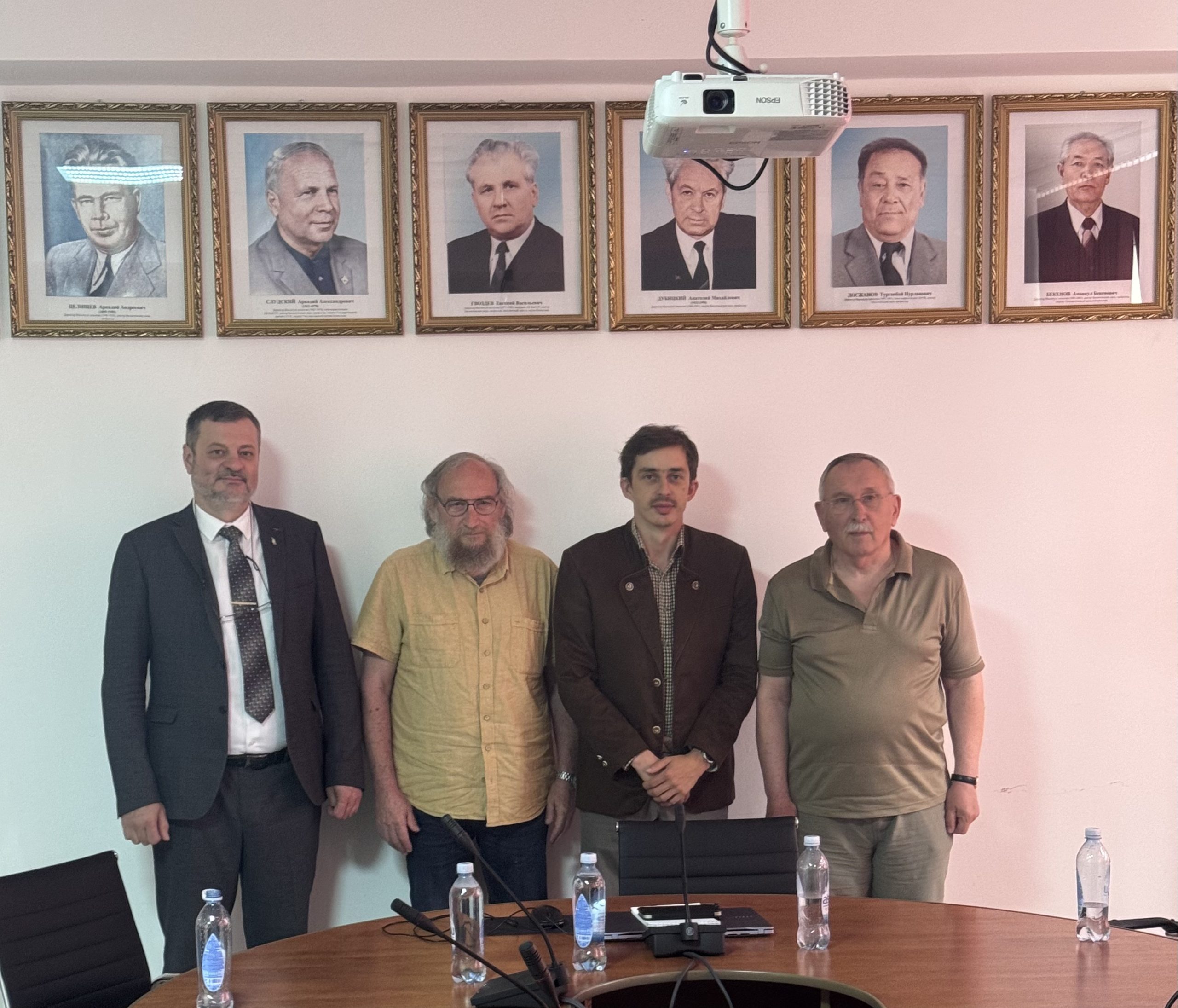
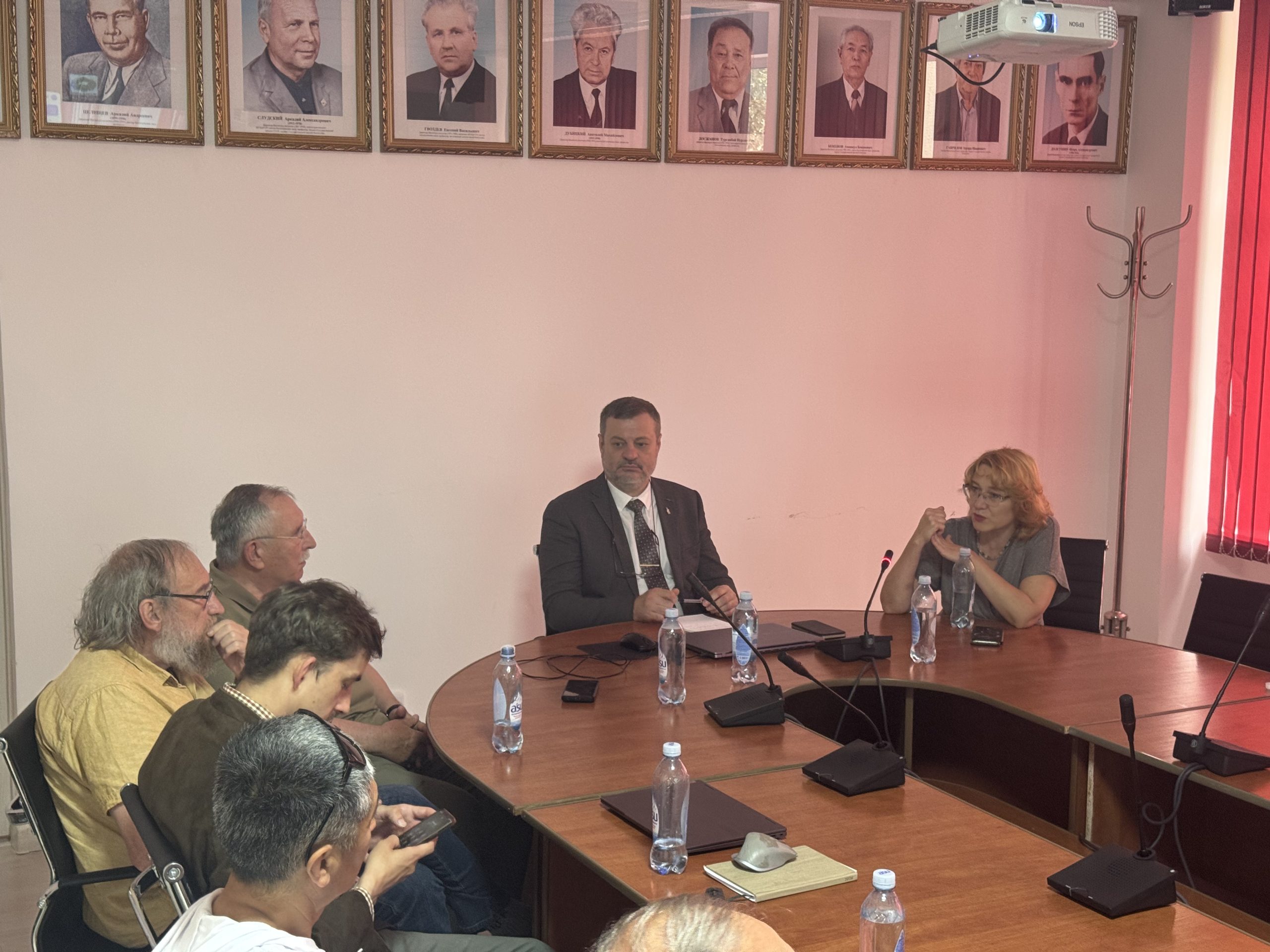
The event was organized by the Institute of Zoology and the Institute of Information and Computational Technologies. The round table was held in a hybrid format and brought together scientists and specialists from Kazakhstan and the Czech Republic. Participants included staff from the Institute of Zoology, the Institute of Information and Computational Technologies, the Association for the Conservation of Biodiversity of Kazakhstan (ACBK), as well as representatives of the Research Institute of Forestry and Game Management of the Czech Republic.
Marina Alexandrovna Chirikova, Deputy General Director for Science of the Institute of Zoology, delivered a welcoming speech, emphasizing the importance of implementing modern methods of animal population assessment to improve the effectiveness of scientific research and conservation activities.
Camera traps and digital technologies are becoming some of the most effective tools for studying and monitoring wildlife. They allow researchers to obtain objective data on species composition, abundance, distribution, and behavior without direct interference in natural habitats. Modern data processing methods, including machine learning and artificial intelligence technologies, significantly increase the speed of analyzing large datasets and open new opportunities for scientific research and biodiversity conservation.
Sergey Vladimirovich Sokolov, an expert of the project “Development of a digital management system for hunting farms of the Republic of Kazakhstan using machine learning methods”, spoke about the development of cooperation between Kazakhstani and Czech specialists in the field of digitalization of hunting management and wildlife monitoring.
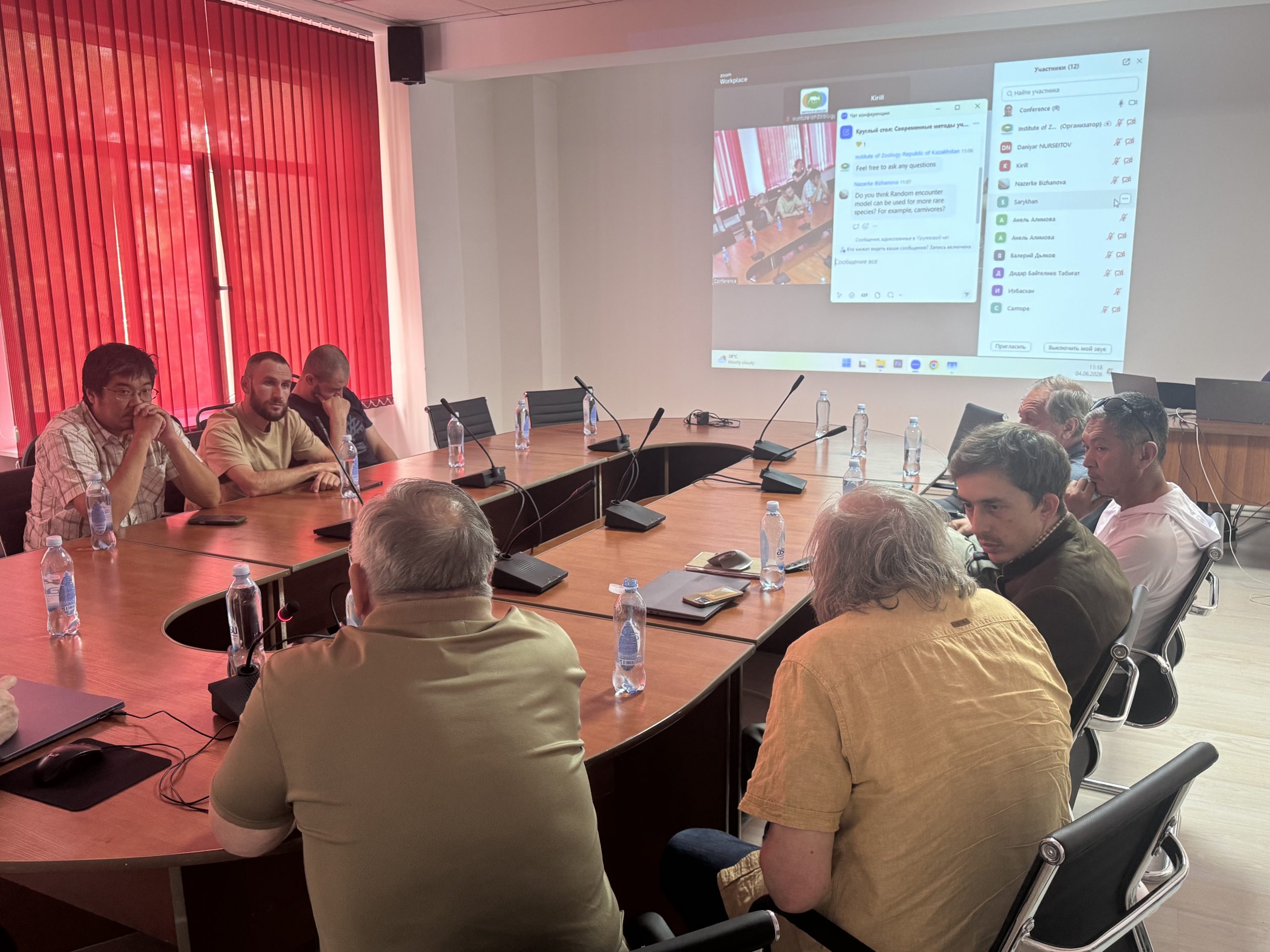
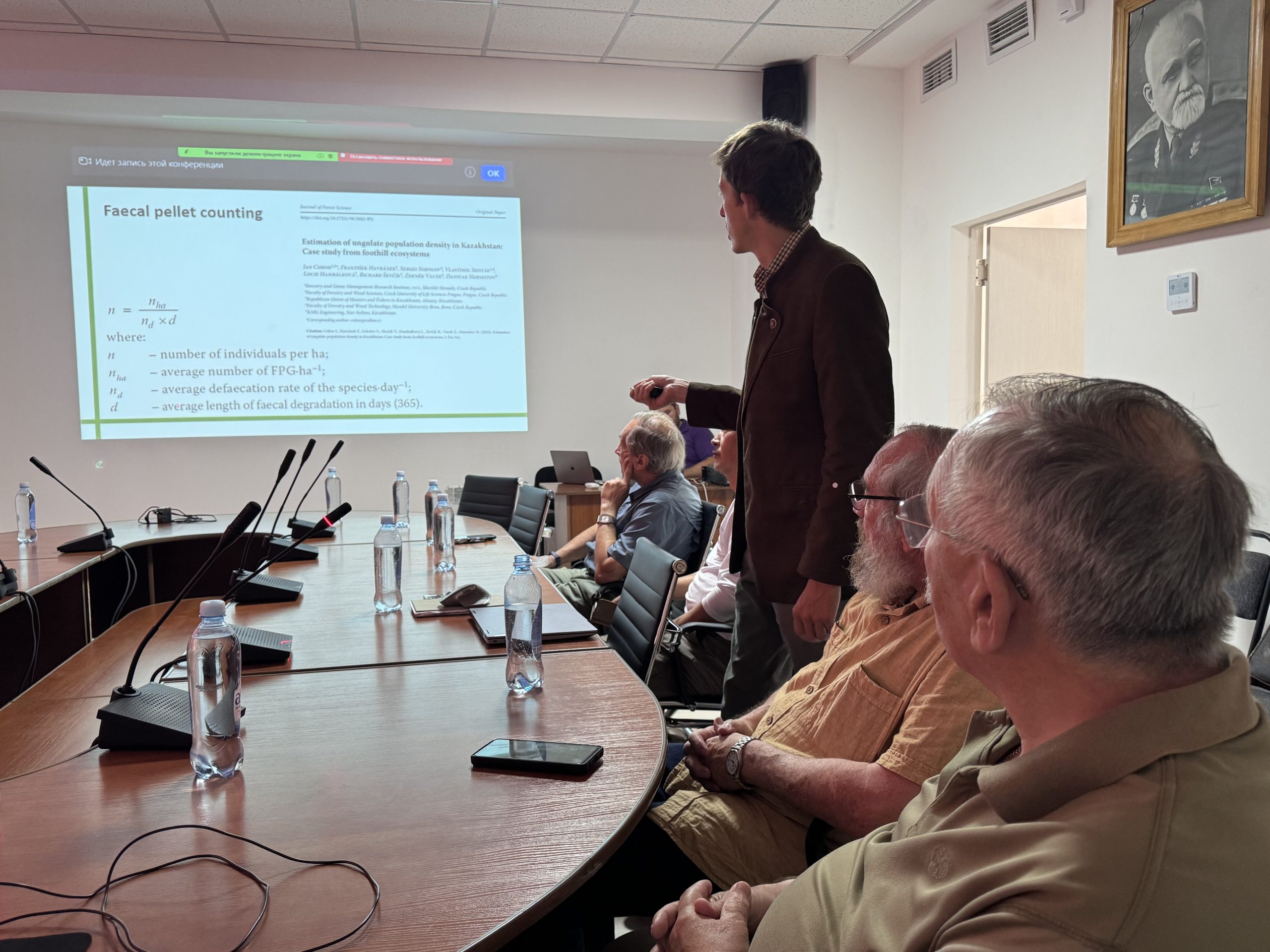
The keynote presentation was delivered by Jan Cukor, Head of the Wildlife Management Department at the Research Institute of Forestry and Game Management of the Czech Republic. He presented the Czech experience in assessing ungulate populations using various methods, including pellet group counts, thermal imaging monitoring, camera traps, and unmanned aerial vehicles equipped with thermal imaging devices. Particular attention was paid to the application of the Random Encounter Model, which allows estimation of animal population density based on camera trap data.
Maksim Vladislavovich Bespalov, Head of the Snow Leopard Monitoring Center of the Theriology Laboratory at the Institute of Zoology, presented the results of long-term application of camera traps in monitoring snow leopards and large mammals in Kazakhstan. The report highlighted the prospects for further use of this method in scientific research and biodiversity monitoring programs.
Sergey Lvovich Sklyarenko, Deputy Executive Director for Science of the Association for the Conservation of Biodiversity of Kazakhstan and Director of the Center for Applied Biology of ACBK, spoke about practical experience in the use of camera traps and unmanned aerial vehicles in conservation activities.
During the discussion, participants considered the prospects for implementing modern animal monitoring technologies in Kazakhstan, the use of archival camera trap data, optimal placement of cameras in research, and the application of machine learning methods for processing large monitoring datasets. Particular interest was shown in the use of the Random Encounter Model for rare species and in identifying individual animals across different camera trap records. The round table served as an important platform for exchanging international experience in wildlife monitoring and ungulate population assessment. As a result of the meeting, participants expressed interest in continuing scientific cooperation, data exchange, and the joint development of modern methods for biodiversity monitoring.
05.06.2026