



Together with colleagues from the Chengdu Institute of Biology, researchers conducted a comprehensive study of the herpetofauna of the Western Tien-Shan.
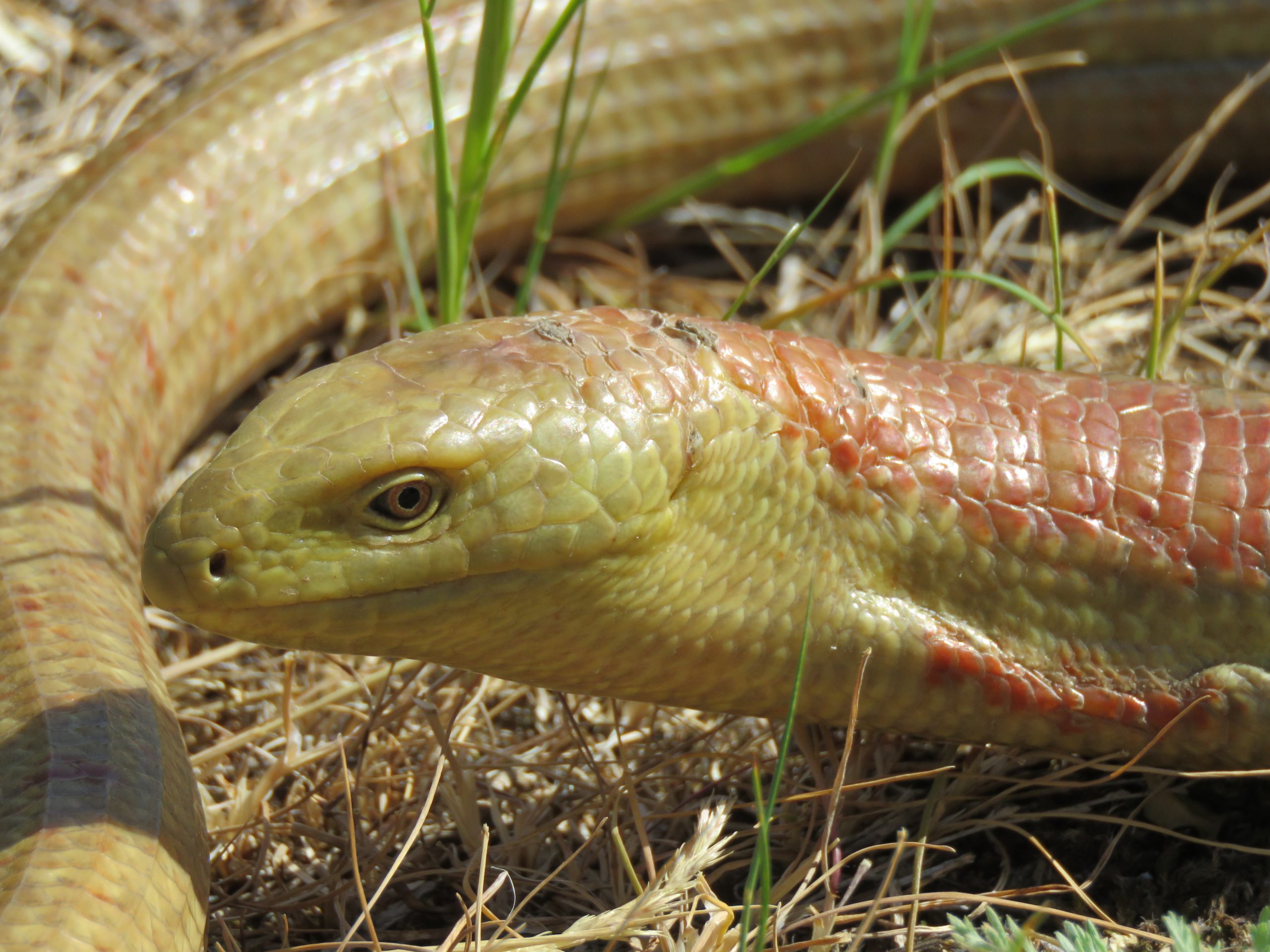
In 2025–2026, field expeditions covered virtually the entire Karatau mountain system, including the Borolday and Ulken-Burultau ranges. Over two field seasons, 15 species of amphibians and reptiles were recorded, including 2 amphibian species and 13 reptile species.
One of the most exciting findings for the researchers was the European glass lizard (Pseudopus apodus) — one of the largest legless lizards in the fauna of Kazakhstan and a species listed in the Red Data Book of Kazakhstan. In Karatau, it was the most frequently recorded lizard species, with up to 3 individuals per kilometre observed along some survey routes. Our observations indicate that populations of the European glass lizard in the surveyed areas are generally in good condition. At the same time, the species continues to face threats, including mortality on roads, in trenches, and during haymaking.
Other noteworthy findings included the desert racerunner (Ablepharus deserti), recorded at an elevation of approximately 1,230 metres; the Halys pit viper (Gloydius halys), found in the arid Ulken-Burultau range; and young steppe toad-headed agamas, which had already appeared by the first half of June.
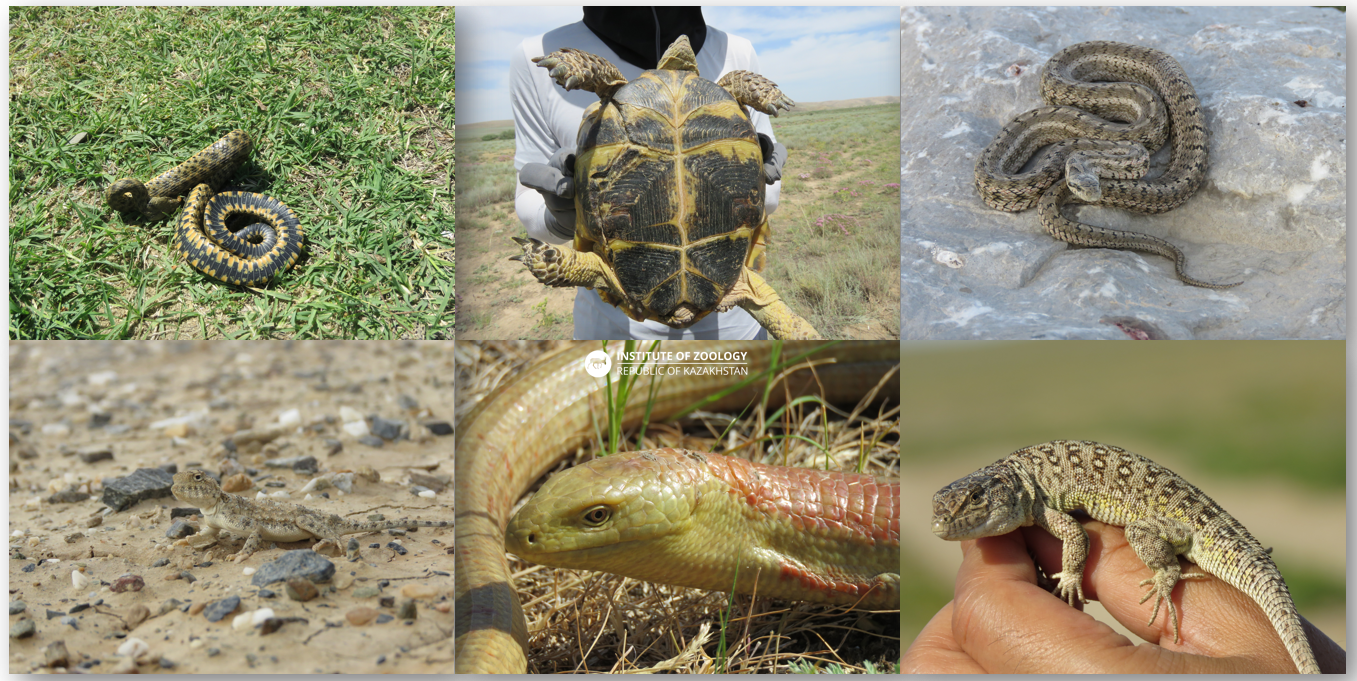
In addition to these species, the expedition recorded the patterned racer, multicoloured racer, and dice snake. Lizard surveys were also conducted, with the multicoloured lacerta, Alai racerunner, and desert racerunner among the most abundant species. Among snakes, the Halys pit viper was the most frequently encountered species and is one of the two venomous snake species found in this region.
The researchers also collected biological material for subsequent molecular genetic analysis, which will help clarify the intraspecific genetic structure of several species.
The results of the field studies will contribute to our knowledge of the species composition and conservation status of the herpetofauna of the Western Tien-Shan. The data obtained will be used for further research, monitoring, and conservation of the biodiversity of this unique region.
The herpetological research was conducted as part of the implementation of the BR24993060 programme, “Development of an Information System for Maintaining the Cadastre of Wild Animals of the Western Tien-Shan for Their Conservation and Sustainable Use.”
Photo: M.A. Chirikova