


Kazakhstan continues to manage zoonotic disease risks, with veterinary surveillance in Almaty Region detecting brucellosis in 149 cattle and 20 small ruminants during the first half of 2026. Against this backdrop, professionals from four protected-areas, wildlife researchers and biosafety specialists met in Almaty from 15 to 17 September to strengthen practical approaches to reducing zoonotic spillover risks.
The three-day One Health and Biosafety Training for Protected and Conserved Areas focused on surveillance and early warning, safe field practice, wildlife mortality events and identifying situations where wildlife, livestock and people interact. Zoonotic spillover occurs when a pathogen passes from an animal to a person, and reducing this risk requires understanding and managing the conditions that create opportunities for transmission.
“Nature conservation is an important part of the One Health approach. By maintaining healthy ecosystems and wildlife populations, and better understanding where wildlife, livestock and people interact, we can help prevent and reduce the risk for zoonotic disease spillover,” said Dao Nguyen, Senior Programme Manager, IUCN Conservation Action. “Protected areas and the people who manage and study them have a pivotal role to play in connecting biodiversity conservation with wider health security.”
Zoonotic spillover risks can increase when ecosystems are degraded, wildlife habitats are lost, fragmented and disturbed, or contact between wildlife, livestock and people becomes more frequent or poorly managed. In and around protected and conserved areas, shared grazing and watering sites, tourism, settlements, resource use and other activities can create opportunities for pathogens to
move between species.
“Understanding disease risks starts with understanding wildlife and the ecosystems in which animals live,” clarifies Vitaliy Gromov, Advisor to the Director General, Institute of Zoology of the Republic of Kazakhstan. “By connecting scientific monitoring with observations from protected areas, we can build a much clearer picture of where risks may occur and use that knowledge to support better conservation and safer management of interactions between wildlife, livestock and people.”
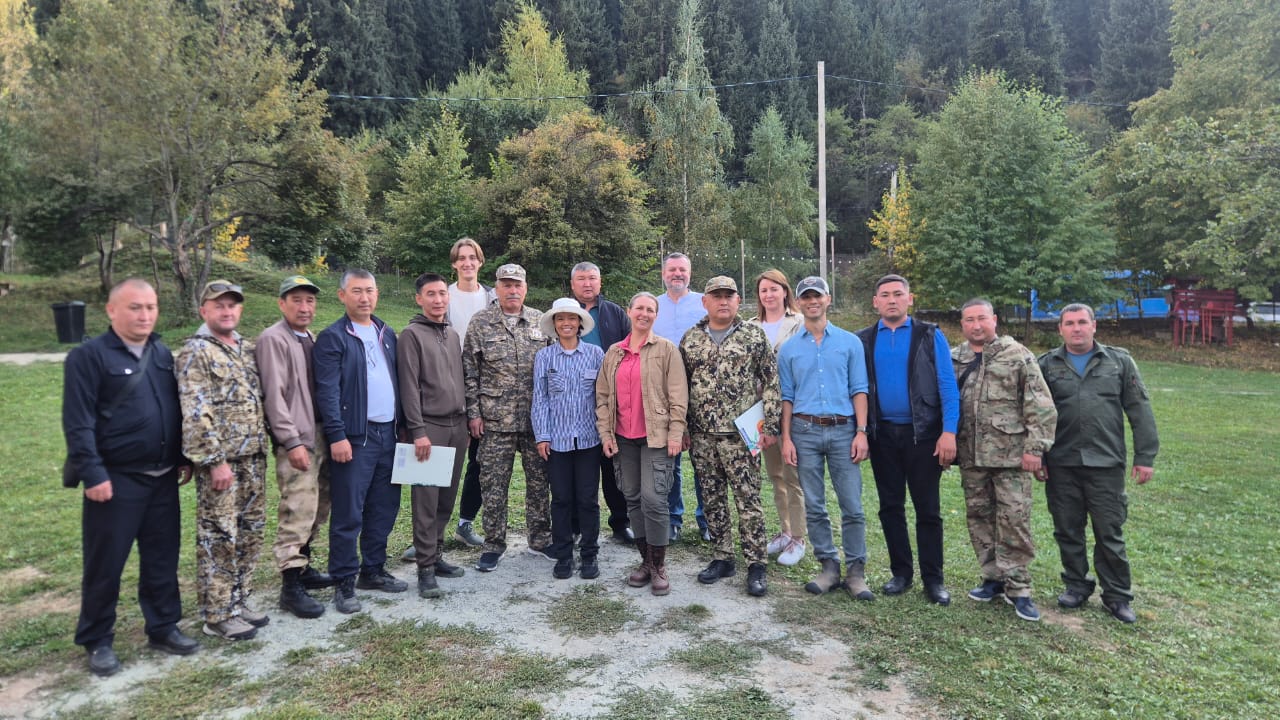
Participants represented Alakol State Natural Zapovednik, Altyn-Emel State National Natural
Park, Ile-Alatau State National Natural Park and Merke State Regional Natural Park, as well as the Institute of Zoology of the Republic of Kazakhstan and the Almaty branch of the National Centre for Biotechnology. Their expertise ranged from ornithology, theriology and ichthyology to game management, forest protection, ranger work and laboratory biosafety.
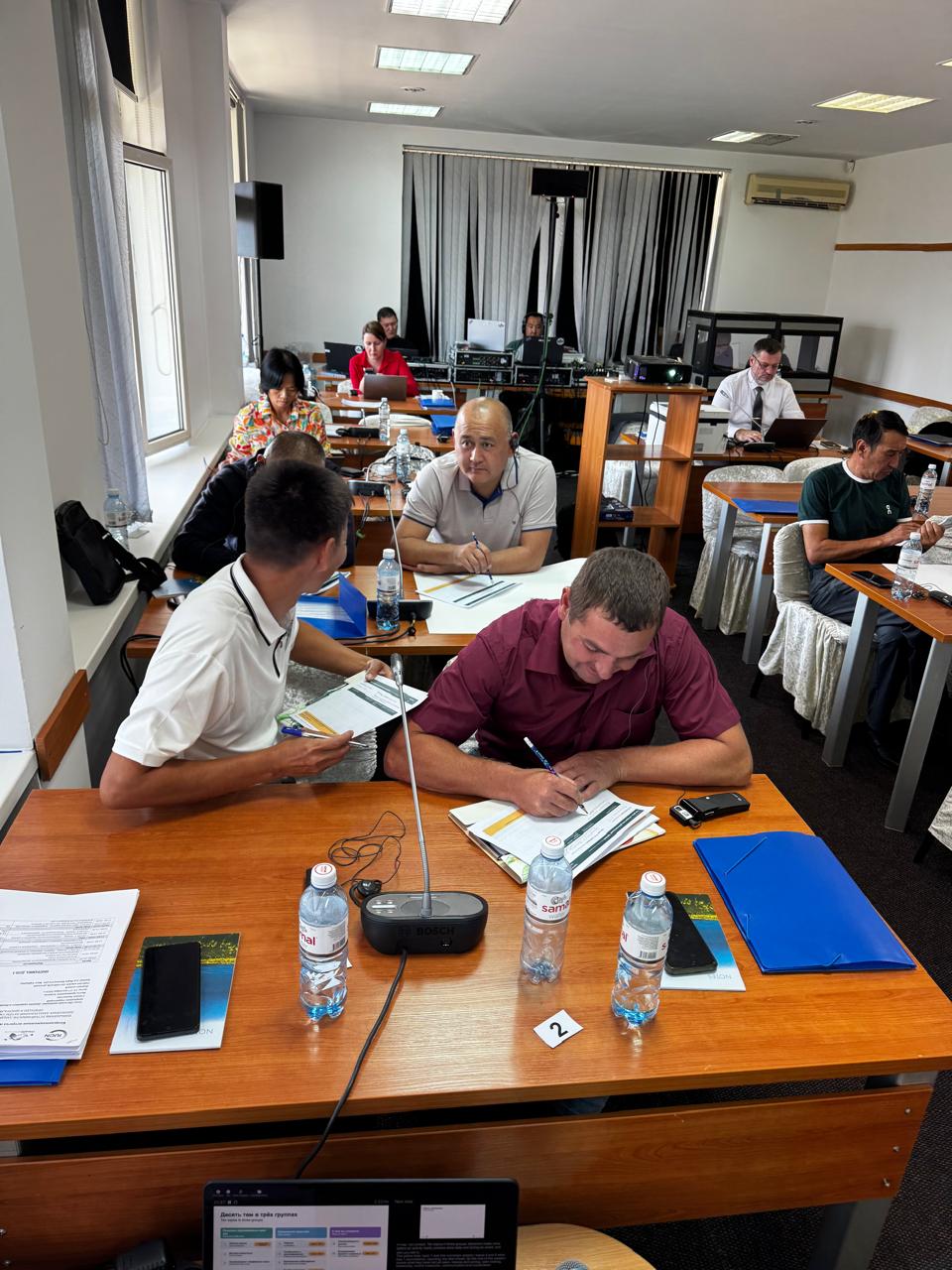
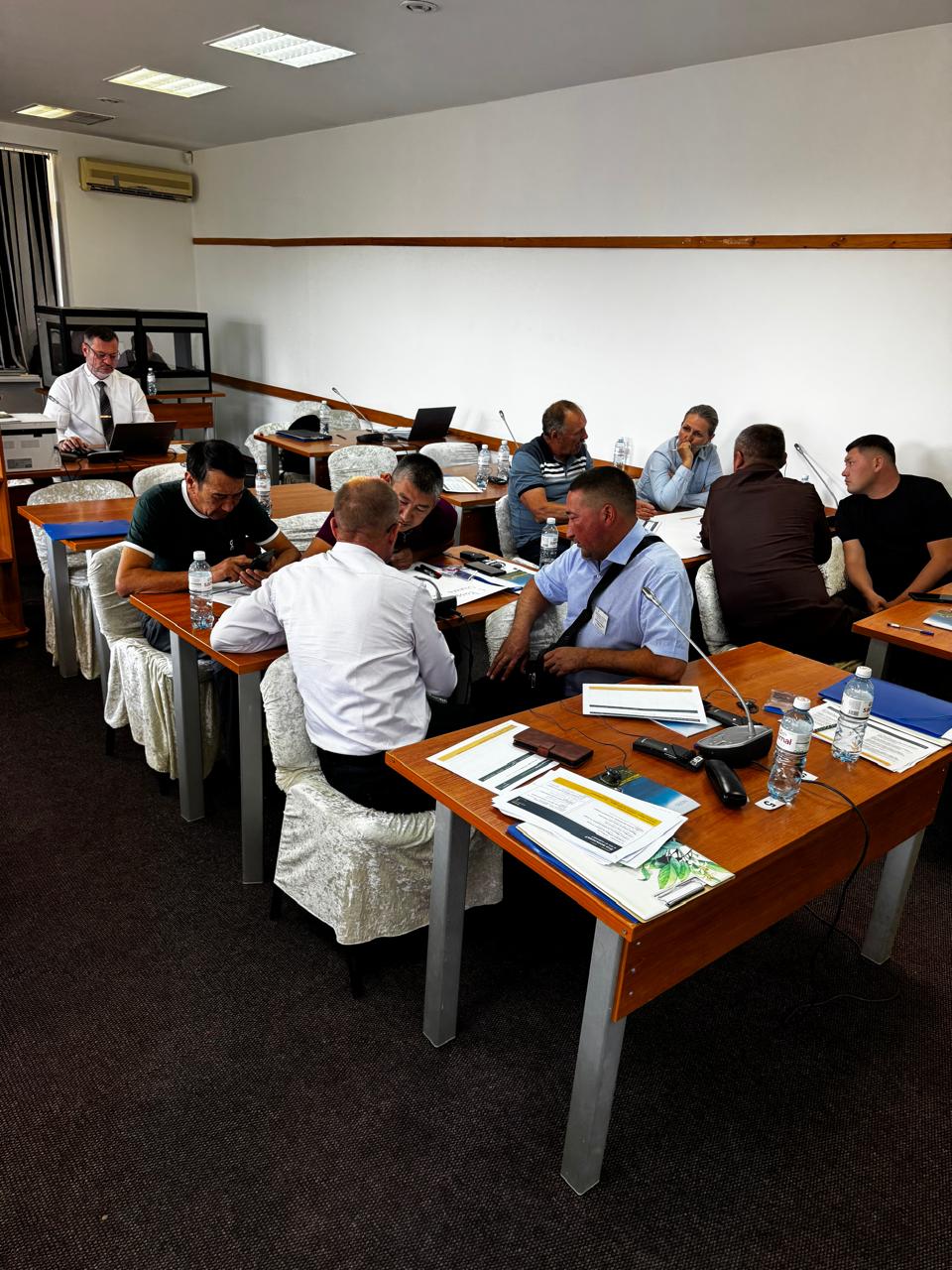
Much of the programme focused on practical application. During a field exercise in Ile-Alatau State National Natural Park, participants identified wildlife–livestock–human contact points, mapped ecological stressors and potential spillover risks, and explored how field observations can support
earlier and better-informed management decisions.
“Good biosafety starts well before a sample reaches a laboratory. Recognising a potential hazard, assessing the level of risk and taking appropriate precautions in the field help protect both the people involved and the quality of any further investigation,” said Elina Maltseva, Head of Biosafety and
Biosecurity Department of the Almaty Branch of the National Center for Biotechnology of Kazakhstan.
The training was led by Dr Marc Valitutto, Wildlife Veterinarian and Biosafety Officer, One Health
something unusual, a veterinarian may investigate its animal-health implications, and public health specialists may assess potential risks to people. The goal is to ensure that information moves quickly and safely to those best placed to respond.” The training concluded with an exercise in which participants developed One Health action plans for
their protected areas. Drawing on the field exercise and knowledge gained over the three days, they identified practical steps to strengthen surveillance, manage potential spillover risks and improve coordination between conservation, research and biosafety professionals.
18.09.2026